Reduction of Premature Wear in Linear Motion Systems
Reducing Premature Wear in Linear Motion Systems
Technical strategies to extend the service life of guides, rails, and moving components while reducing contamination, failures, and unplanned downtime.
Linear motion systems operate with high levels of precision and repeatability, but they can experience accelerated wear when continuously exposed to chips, dust, abrasive particles, liquids, heat, or other contaminants present in industrial processes.
When these conditions are not considered during system design or maintenance planning, the result may include loss of precision, increased friction, premature failures, and more frequent corrective maintenance interventions.
- Reduced entry of contaminants into critical motion areas.
- Lower abrasion on rails, guides, and transmission components.
- Longer intervals between maintenance and component replacement.
- Greater predictability for operations and maintenance planning.
CIKALA develops technical solutions for industrial applications where reducing contamination and wear is essential to protect components and increase equipment availability.
Why Does Premature Wear Occur?
Linear guides and rails depend on contact surfaces in good condition, proper lubrication, and movement within the specified operating parameters. The entry of abrasive particles or residues between moving elements can gradually compromise the entire system.
In harsh industrial environments, the problem tends to become more severe. Small particles that accumulate repeatedly can cause scratches, increased clearances, deterioration of seals, and greater resistance during movement.
Main Risk Factors
- Dust, chips, and abrasive particles near the motion system.
- Recurring contact with oil, cutting fluids, splashes, or process residues.
- Lack of adequate barriers between sensitive components and the production area.
Implementing a protection solution compatible with the travel distance, speed, available space, and type of contaminant can significantly reduce the exposure of critical components.
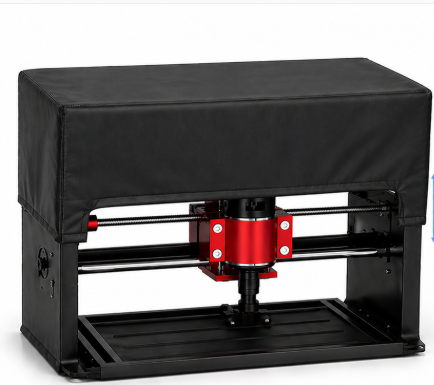
How to Prevent Failures and Extend System Service Life
Prevention should take the actual operating environment into account. It is not enough to analyze only the linear component. It is also necessary to understand where contaminants originate, the direction of movement, required travel, operating frequency, and the physical limitations of the machine.
Physical Barriers Against Contaminants
Mechanical barriers can separate rails, guides, ball screws, and other moving elements from sources of chips, dust, sparks, and liquids. Their geometry must follow the machine movement without interfering with normal operation.
Monitoring and Preventive Maintenance
- Periodically inspect rails, guides, seals, and lubrication points.
- Monitor noise, vibration, movement resistance, and changes in positioning accuracy.
- Correct the source of contamination before wear develops into a functional failure.
When an application involves specific geometry, long travel distances, severe operating conditions, or limited installation space, a custom-engineered solution may be more appropriate than a generic adaptation.
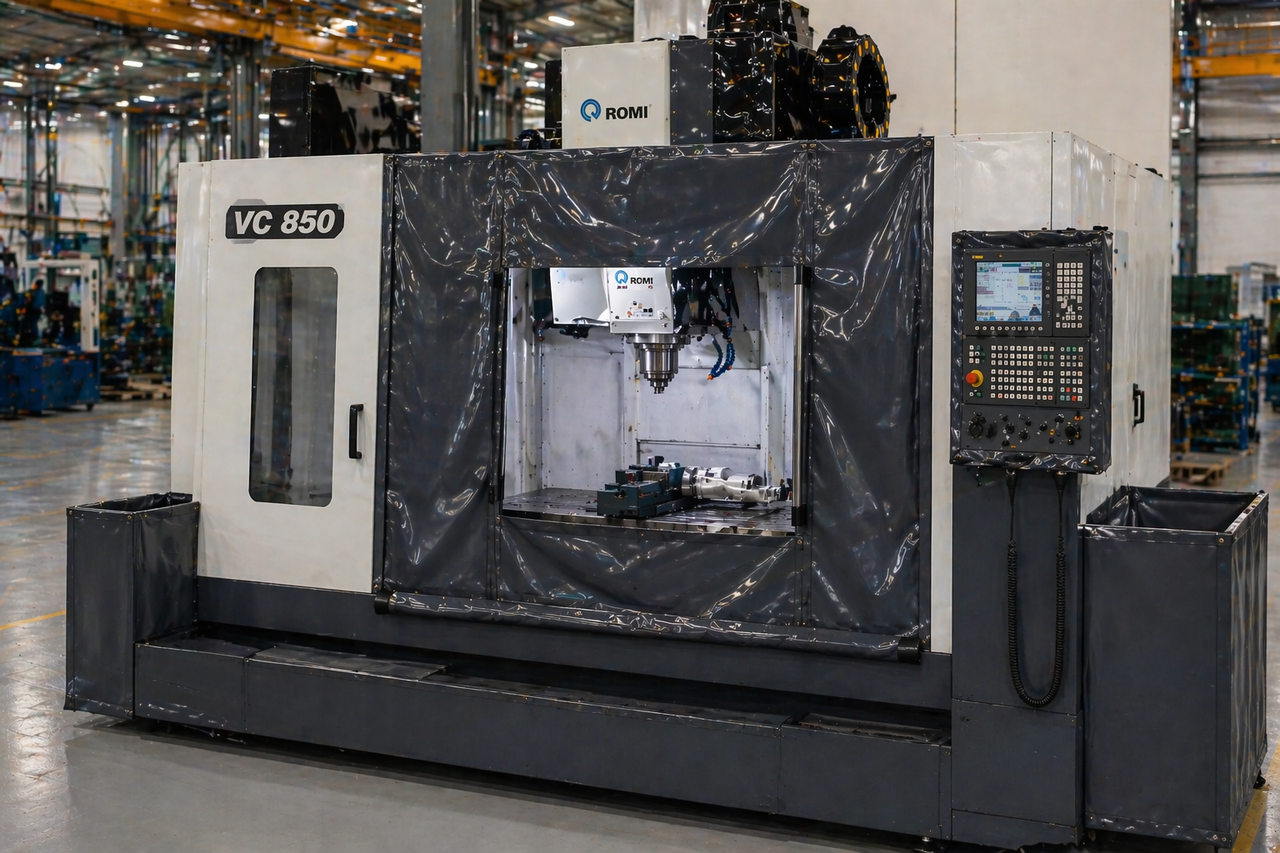
Technical Indicators and Maintenance Impact
Reducing exposure to contaminants can positively affect important maintenance indicators, particularly when premature wear is a recurring cause of equipment failures. The table below presents an estimated scenario to illustrate this potential impact.
| Indicator | Without Technical Barrier | With a Technical Solution from CIKALA |
|---|---|---|
| Unplanned downtime events per year | 5 | 1–2 |
| MTBF — Mean Time Between Failures | 1,500 h | 4,000 h |
| MTTR — Mean Time to Repair | 2.5 h | 1.0 h |
| Annual corrective maintenance cost | R$ 95,000 | R$ 35,000 |
| Estimated payback | — | 4–7 months |
The values shown are illustrative estimates based on typical industrial scenarios and do not represent a performance guarantee. Actual results depend on the environment, operating intensity, equipment, maintenance practices, and the specific characteristics of each application.
Less Downtime
Reducing the entry of contaminants can decrease incidents related to jamming, wear, and deterioration of moving components.
Higher MTBF
Protecting critical surfaces helps increase the average interval between failures and improves operational predictability.
Lower Corrective Maintenance Costs
Fewer premature failures can reduce expenses related to replacement parts, emergency labor, and machine downtime.
Greater Reliability
A well-protected system tends to maintain its functional characteristics for longer, supporting greater stability and process continuity.
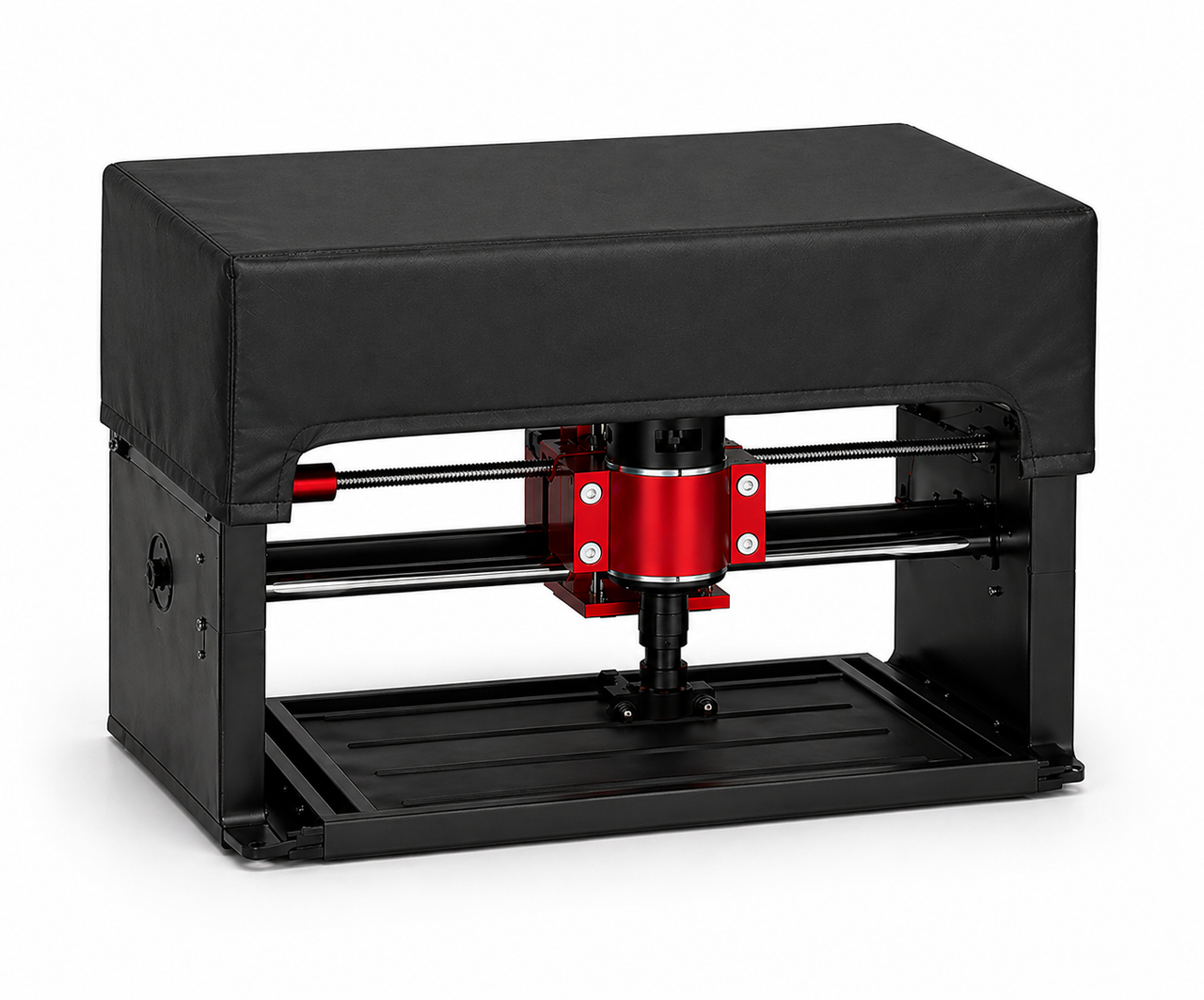
How to Choose the Right Solution for Your Application
Every machine has different motion and exposure conditions. For this reason, the selection process should consider total travel, available dimensions, speed, acceleration, temperature, presence of chips or liquids, mounting position, and operating frequency.
CIKALA develops technical solutions aligned with the specific requirements of each industrial application, working alongside the customer's technical team to reduce premature wear, contamination, and the risk of unplanned downtime.
The information in this article is intended for technical and informational purposes. Before implementation, an application assessment is recommended to determine the appropriate materials, dimensions, mounting methods, and configuration for the actual operating conditions.
Need to reduce the exposure of guides, rails, or other moving components in your machine? Explore the solutions available from CIKALA or send your project details, approximate dimensions, and a brief description of the application to develop a custom-engineered solution with our technical team.
Frequently Asked Questions
What causes premature wear in linear guides and rails?
The most common causes include abrasive particles, chips, dust, process fluids, inadequate lubrication, misalignment, and operating conditions that differ from those specified for the component.
How can contaminants be kept out of linear motion systems?
Preventive maintenance, controlled cleaning, sealing systems, and physical barriers designed to follow machine movement without restricting the required travel can be combined to reduce contamination.
Can a physical barrier extend the service life of linear guides?
When properly designed for the application, a physical barrier can reduce direct exposure to contaminants and help protect rails, guides, ball screws, seals, and other components.
When is a custom-engineered project recommended?
Custom projects are especially recommended when the application involves specific travel requirements, limited installation space, high concentrations of debris, special geometries, elevated temperatures, or operating conditions that make standardized solutions difficult to use.
Location
View the location and access information for CIKALA.
Discover Our Facilities
Watch the institutional video from CIKALA and learn more about our operations and solutions for industrial applications.

