Industrial Protection for Plasma and Laser Cutting: Heat, Particles, and Safety
Protection for Industrial Plasma and Laser Cutting
How to control concentrated heat, hot particles and their impact on critical components in industrial cutting cells.
Plasma cutting and laser cutting processes concentrate thermal energy at extremely high levels and require special attention to the surrounding environment. Unlike other thermal processes, the risks involve intense heat concentration at the cutting point, the generation of fine hot particles and the dispersion of these effects throughout the industrial layout.
Even without direct contact with the heat source, nearby components may absorb energy through radiation and convection. In automated cells, this can result in accelerated degradation, intermittent failures and reduced operational reliability.
- Concentrated heat in specific areas of the cutting cell.
- Hot particles projected during the cutting process.
- Risk to cables, sensors, electrical panels and automation components.
- Need to preserve ventilation, exhaust systems and maintenance access.
CIKALA develops technical solutions based on the real characteristics of each application, helping reduce thermal exposure, contain hot particles and preserve critical industrial assets.
Why do plasma and laser cutting require a specific approach?
The thermal intensity of the process can affect materials and components installed outside the immediate cutting area. Repeated exposure can accelerate the aging of cables, hoses, sensors, electronic systems and other heat-sensitive elements.
Another common effect is the adhesion of hot particles to nearby surfaces. Over time, these residues can create weak points and require more aggressive cleaning procedures, increasing wear and reducing component service life.
Key factors that should be evaluated
- Power and type of cutting equipment.
- Cycle time and frequency of exposure.
- Material being processed and particle behavior.
- Predominant direction of hot particle projection.
- Distance between the cutting area and sensitive components.
Effective protection starts with a detailed understanding of the process. Without considering power, cycle time, geometry, ventilation and particle direction, the solution can become a trial-and-error approach.
Thermal control without compromising ventilation and exhaust
The installation of barriers must consider how heat behaves inside the cutting cell. Isolating an area without evaluating ventilation and airflow may create heat pockets, increase local temperatures and generate a different problem from the one the solution was intended to prevent.
Balancing containment and heat dissipation
The solution should limit direct exposure to heat and particles without blocking exhaust systems. This requires proper barrier positioning, compatible material selection and evaluation of natural or forced airflow paths.
Critical areas near the cutting process
- Electrical panels and control systems.
- Power, control and communication cables.
- Sensors and electronic devices.
- Hoses, connections and polymer components.
- Structures located near the particle trajectory.
When cutting operations are located close to control systems, the priority should be the protection of the most critical components. Failure in these areas can cause production downtime, cascading damage and significant maintenance costs.
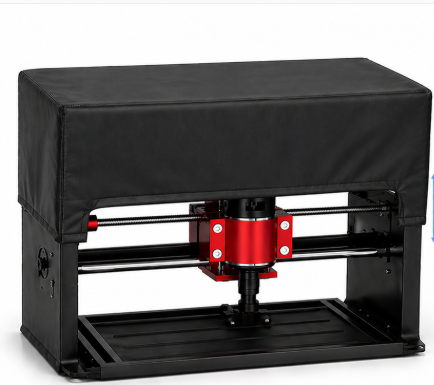
Benefits of a cutting cell prepared for heat and particles
When thermal control and particle containment are considered part of the cutting cell design, the operation tends to become more predictable. The goal is not only to prevent immediate damage, but also to reduce the accumulated exposure of industrial assets over thousands of production cycles.
Longer service life
Lower thermal exposure and reduced particle accumulation can help prevent premature wear of components located near the cutting process.
Greater stability
Reducing thermal interference can help decrease intermittent failures in automation equipment and control systems.
Less corrective maintenance
Better prepared environments can reduce emergency interventions associated with degradation caused by repeated process exposure.
Better cell design
Mapping risk zones, cable routes, access points and sensitive areas makes maintenance and future cell modifications easier.
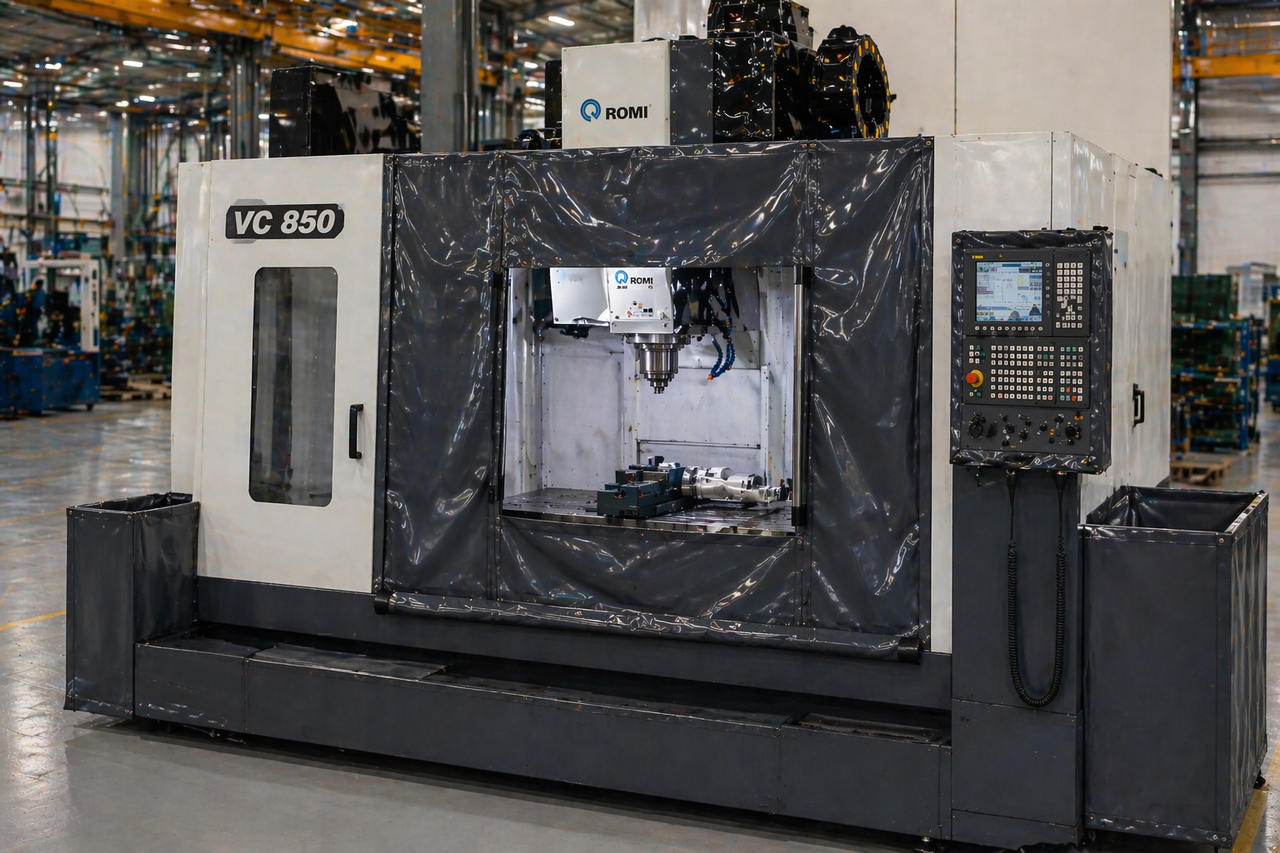
How to specify the right solution for each application
A mature approach treats thermal and particle protection as an integral part of the cutting cell design. This means defining high-exposure zones, identifying critical assets and considering ventilation and maintenance requirements from the beginning.
There is no single configuration suitable for every cutting machine. Distance from the heat source, machine geometry, particle trajectory, operating routine and available space all directly influence the most appropriate solution.
CIKALA can develop custom-made solutions for specific industrial applications, considering dimensions, critical areas, thermal exposure and the real characteristics of the installation.
If your operation uses plasma or laser cutting near electrical panels, automation systems, cables or other sensitive components, CIKALA can help define the most suitable solution for your industrial environment. For specific applications, send approximate dimensions, photos, available drawings and a brief description of the process so our technical team can evaluate a custom-made project.
Frequently Asked Questions
Why does plasma cutting create risks for nearby components?
The process concentrates high levels of thermal energy and can project hot particles. Even components without direct contact may be affected by radiation, convection and the accumulation of hot residues.
Can a thermal barrier interfere with cutting cell ventilation?
Yes. Improper installation can trap heat and create thermal pockets. For this reason, ventilation, exhaust, positioning and airflow must be considered before defining the protection solution.
Which components require the most attention?
Electrical panels, cables, sensors, control systems, hoses, connections and polymer components installed near the cutting area are among the elements that typically require the greatest attention.
When is a custom-made solution recommended?
It is especially recommended when the layout has space restrictions, high thermal loads, specific geometries, critical components close to the cutting area or particular ventilation and maintenance requirements.
Location
View the location of CIKALA on the map.
Learn More About Our Company
Watch the institutional video from CIKALA and learn more about our solutions for industrial applications.

