How to Prevent Structural Damage Caused by High Temperatures
How to Reduce Structural Failures Caused by Excessive Heat
Understand how thermal fatigue, expansion and continuous heat exposure can compromise industrial structures and equipment — and learn how to reduce these risks.
Structural failures caused by excessive heat rarely occur as isolated events. In many industrial plants, the problem develops progressively, beginning with minor deformation, loose fasteners, loss of alignment and premature wear.
Continuous exposure to high temperatures, thermal radiation, welding spatter and repeated heating and cooling cycles can compromise structures, cables, sensors and other important process components.
- Identify heat and radiation points before failures occur.
- Reduce the effects of thermal expansion and contraction.
- Prevent accelerated degradation of components located near heat sources.
- Plan barriers and protection solutions suited to each application.
CIKALA develops industrial solutions that can help control thermal exposure and protect equipment, structures and sensitive areas within production processes.
Why can heat cause structural failures?
Heat causes materials to expand. When the temperature drops, contraction occurs. This movement may seem minor during a single cycle, but constant repetition creates mechanical stresses that accumulate over time.
The problem tends to become more severe when different parts of a structure are exposed to different levels of heat. Thermal shadows, air currents, heated equipment and nearby radiation sources can create areas with uneven expansion and internal stresses.
Main degradation mechanisms
- Thermal fatigue caused by repeated heating and cooling cycles.
- Deformation and misalignment resulting from uneven material expansion.
- Accelerated aging of cables, polymers, seals and components located near heat sources.
In welding, cutting and other high-temperature operations, thermal radiation and hot spatter can accelerate degradation even further and reduce the service life of exposed components.
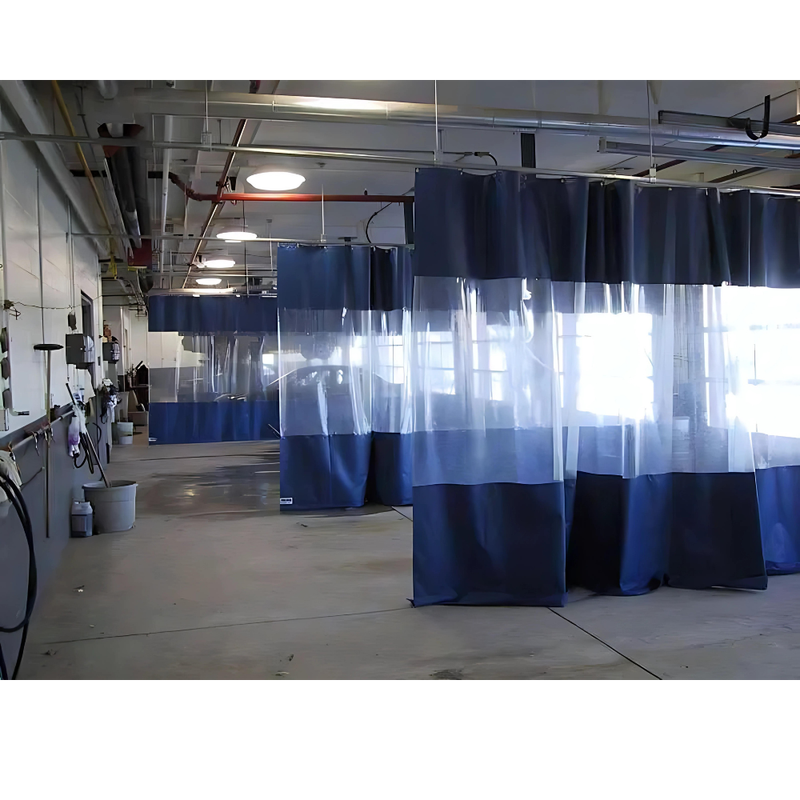
How to identify signs of heat-related degradation
Prevention depends on the ability to identify changes before they develop into functional failures. Small changes in the behavior of machines, structures or components may indicate that environmental temperatures are affecting the assembly.
Warning signs to watch for
Recurrent misalignment, frequent retightening requirements, increased vibration, deformation and visible changes in materials located near heat sources should all be investigated.
What to check during an inspection
- Cables with dried, hardened or heat-damaged insulation.
- Supports, plates or structures showing signs of deformation.
- Hot spots near sensors, electrical panels, controls and sensitive components.
The assessment should consider the actual surrounding temperature, the direction of thermal radiation, the distance from the heat source and possible heat transfer points through direct contact.
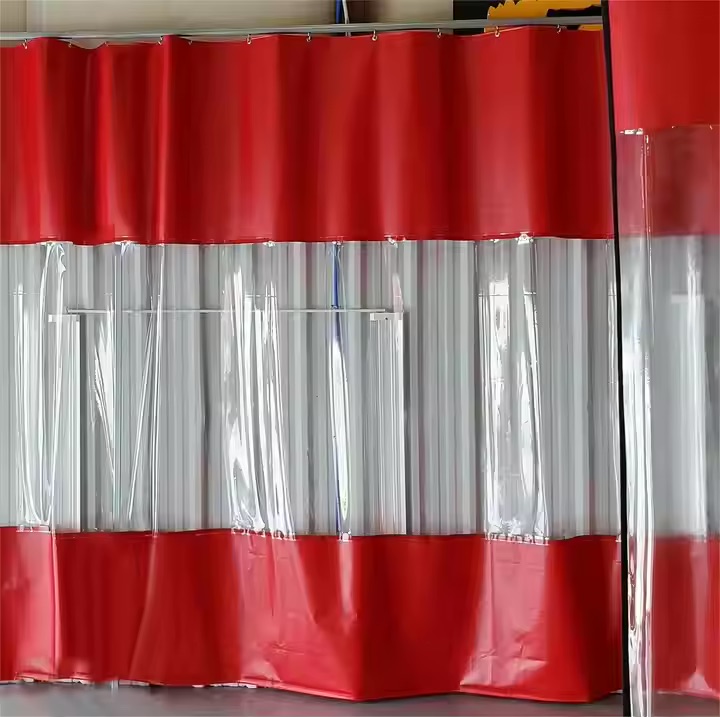
Strategies to reduce failures caused by excessive heat
Once the source and behavior of the thermal load have been identified, a more effective strategy can be defined. The solution should address the cause of exposure without interfering with operations, equipment access or maintenance activities.
Thermal radiation barriers
Properly designed barriers can reduce direct heat exposure on structures, cables, equipment and circulation areas.
Spatter control
In welding and cutting processes, protection solutions can help limit contact between hot spatter and vulnerable components.
Technical enclosures
Certain applications may require enclosures to better control environmental influence on equipment and critical areas.
Periodic inspections
Monitoring after installation makes it possible to identify wear points, validate results and make adjustments based on actual operating conditions.
Thermal prevention as a reliability strategy
Reducing structural failures caused by heat is a risk management decision. The more predictable the environment surrounding equipment and structures, the lower the likelihood of corrective interventions related to thermal degradation.
It is also important to validate the solution over time. Periodic inspections make it possible to identify wear points, compare conditions before and after the intervention and adjust the configuration whenever necessary.
CIKALA develops technical solutions for industrial applications, taking into account process characteristics, available space and specific exposure conditions involving heat, spatter and other environmental agents.
Need to reduce thermal exposure in an industrial area? Find solutions at CIKALA or contact the technical team directly to evaluate a custom-designed application. To streamline the assessment, send your project or approximate dimensions, company tax ID (CNPJ) and a brief description of your requirements.
You can also contact the team by email at vendas@cikala.com.br or via WhatsApp at +55 (11) 2082-4444.
Frequently asked questions
How does excessive heat cause structural failures?
Heating causes materials to expand, while cooling causes them to contract. When these cycles are repeated, they can lead to thermal fatigue, loss of alignment, deformation and additional stress on fasteners and components.
What are the signs that a structure is being affected by heat?
Recurrent misalignment, loose fasteners, deformation, increased vibration, dried cable insulation and changes in components located near heat sources are signs that should be investigated.
Can industrial barriers help reduce heat exposure?
Yes. When properly specified, barriers can reduce direct thermal radiation, contain hot spatter and separate critical areas of the process. The application should take temperature, distance, operation and maintenance requirements into account.
When is a custom solution recommended?
A custom solution may be recommended when the application involves specific temperatures, limited available space, sensitive equipment, frequent movement, access requirements or other unique operating conditions.

