How to Prevent Chip Contamination in CNC Machines
How to Prevent Chip Contamination in CNC Machines
Inspection, cleaning, debris control, and physical protection solutions help reduce the entry of metal chips into rails, guides, and sensitive components.
Reducing this type of contamination requires a combination of preventive maintenance, debris buildup control, and physical solutions designed to make it more difficult for metal chips to reach the most vulnerable areas of the equipment.
- Perform periodic inspections in areas with the highest concentration of metal chips.
- Apply appropriate physical protection to exposed rails, guides, and components.
- Avoid prolonged buildup of metal debris inside the working area.
- Evaluate solutions that are compatible with the travel, speed, and geometry of each machine.
CIKALA develops technical solutions for industrial applications where the control of metal chips, particles, and contaminants must be adapted to the specific characteristics of the equipment.
Why can metal chips compromise machine components?
Machining environments are naturally demanding. In addition to larger chips that are easy to identify visually, smaller metal particles can reach hard-to-access areas and remain accumulated near the machine's motion components.
Repeated contact can cause abrasion, compromise seals, increase cleaning requirements, and lead to corrective maintenance. In high-production applications, even minor failures can result in significant equipment downtime.
Areas that deserve attention
- Linear guides and rails exposed to direct contact with debris.
- Lead screws, bearings, and moving areas located near the machining zone.
- Areas where fine metal chips remain accumulated for extended periods.
The objective is not only to remove debris after machining, but also to reduce the amount of material that can reach sensitive components while the machine is operating.
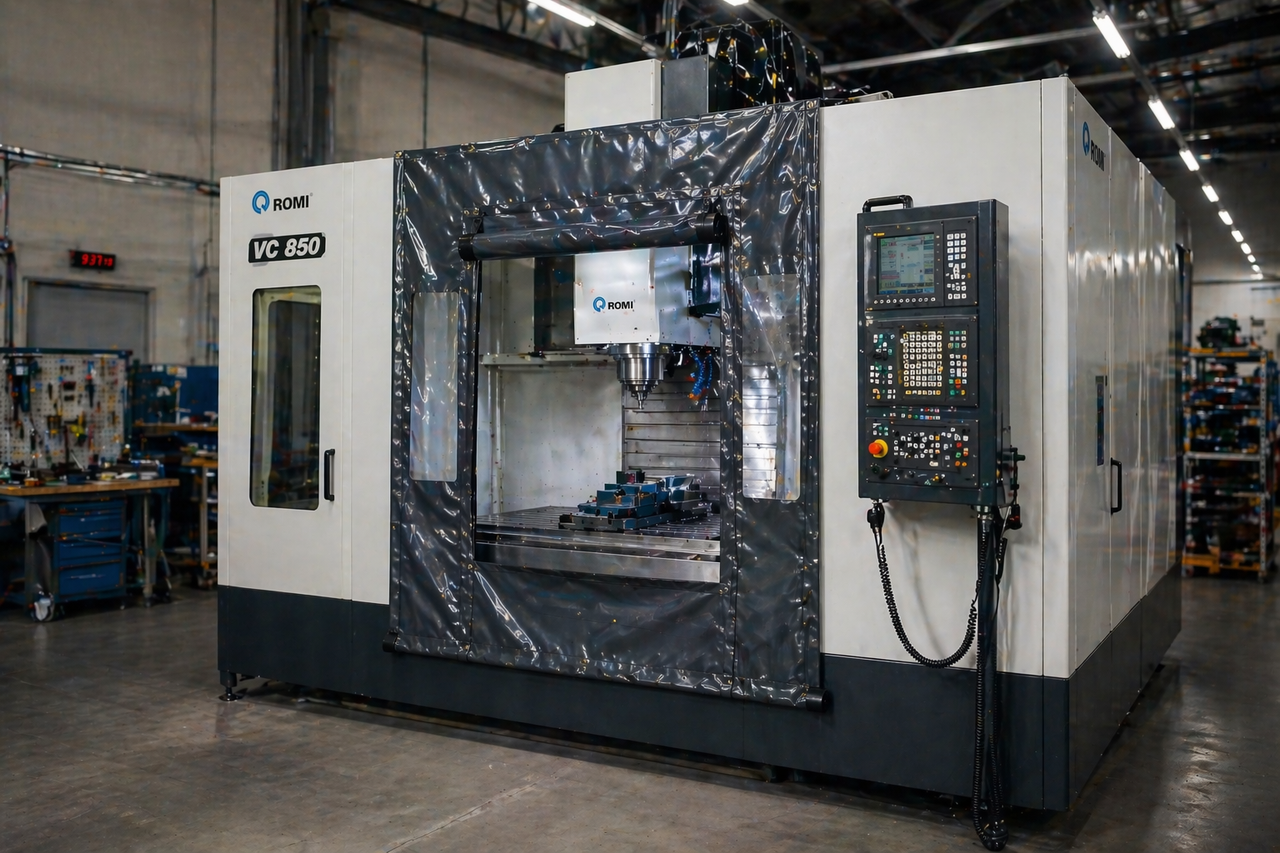
How can you reduce the entry of metal chips?
An effective strategy begins by identifying the most exposed areas and evaluating how metal chips are projected, transported, and accumulated during the machining cycle.
Inspection and preventive maintenance
Periodic inspection helps identify buildup, deformation, sealing failures, and potential entry points before the problem becomes more serious. Inspection frequency should take into account the number of shifts, the material being machined, production volume, and the actual operating conditions of the equipment.
Barriers and physical protection solutions
- Use protection that is compatible with the movement of mobile components.
- Keep chip disposal and transport areas free from obstructions.
- Evaluate dimensions, travel, speed, and available space before specifying a solution.
For machines with specific geometries, long travel distances, or intense exposure to debris, a customized solution may provide a better fit than generic components.
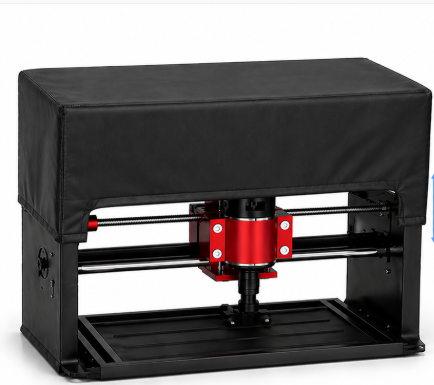
Technical indicators: illustrative scenario
The values below are illustrative estimates based on typical industrial scenarios. They help demonstrate how a properly sized technical solution may contribute to reducing contamination-related incidents, but they do not constitute a performance guarantee for any specific application.
| Indicator | Without protection | With a technical solution from CIKALA |
|---|---|---|
| Unplanned shutdowns per year | 5 | 1–2 |
| MTBF — mean time between failures | 1,500 h | 4,000 h |
| MTTR — mean time to repair | 2.5 h | 1.0 h |
| Annual corrective maintenance cost | R$ 95,000 | R$ 35,000 |
| Estimated payback period | — | 4–7 months |
Actual results may vary according to the environment, operating intensity, processed material, machine design, maintenance routine, and characteristics of the installed solution. A specific technical assessment is recommended before implementation.
Benefits of a properly sized solution
Proper sizing should consider not only the physical blocking of debris, but also the behavior of the equipment throughout its entire operating cycle.
Reduced exposure to metal chips
Helps reduce the direct entry of metal particles into vulnerable areas of the machine.
Less premature wear
Helps preserve components exposed to abrasion caused by metal chips and other contaminants.
More predictable maintenance
Can help reduce unexpected incidents and make maintenance interventions easier to plan.
Adaptation to the equipment
Customized projects can take into account travel, speed, dimensions, and the machine's physical limitations.
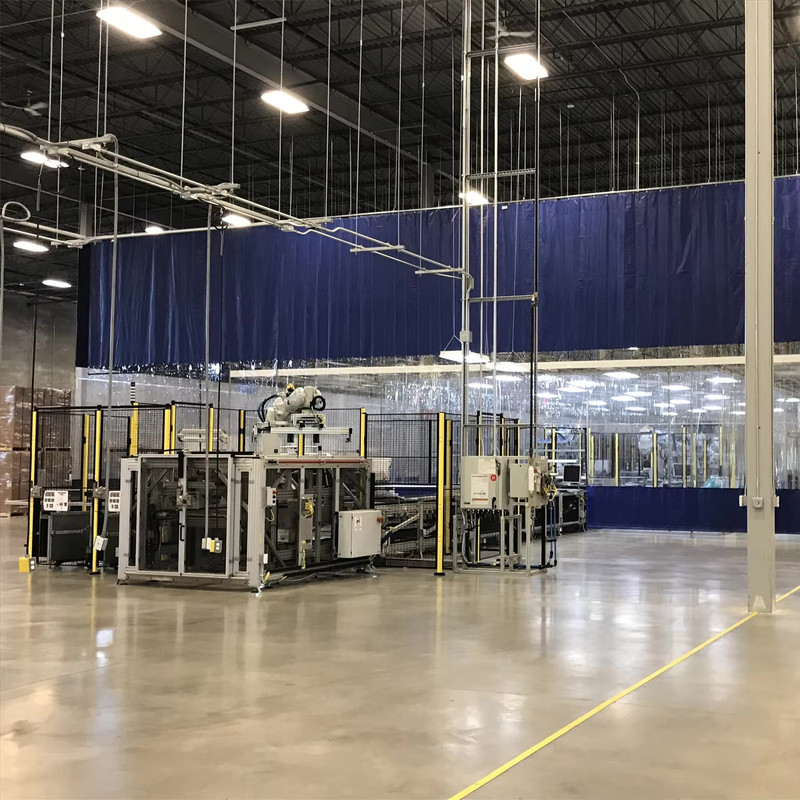
When should you consider a custom solution?
CNC machines can vary significantly in dimensions, travel, speed, rail positioning, and the volume of metal chips generated. For this reason, more demanding applications may require a solution developed specifically for the equipment.
CIKALA works together with maintenance, engineering, and production teams to evaluate dimensions, available space, and operating conditions in order to identify a suitable configuration for the industrial application.
To speed up the assessment process, send a drawing or approximate dimensions, your company's registration information, and a brief description of the application. This information helps the technical team understand the equipment and recommend a suitable alternative.
Reduce the exposure of critical components
Preventing metal chip contamination in CNC machines requires a combination of frequent inspection, organized cleaning, buildup control, and physical protection solutions suited to the movements and characteristics of each piece of equipment.
In critical industrial applications, proactively evaluating exposed areas can help reduce premature wear, corrective maintenance interventions, and the risk of unplanned downtime.
CIKALA provides solutions for industrial applications and also develops special projects when machine dimensions, movements, or operating conditions require a customized configuration.
Need to reduce the entry of metal chips into rails, guides, or critical components of your CNC machine? Explore the solutions available in the CIKALA online store, or send your project, approximate dimensions, and application details via WhatsApp for an assessment of a custom solution.
Frequently asked questions
Why are fine metal chips harmful to CNC machines?
Small metal particles can reach rails, guides, lead screws, and other moving components, contributing to abrasion, increased friction, and wear over time.
How can metal chips be kept out of machine rails?
The strategy may include periodic cleaning, buildup control, and the use of physical protection designed according to travel, speed, available space, and the characteristics of the machine.
Can any protection solution be installed on a CNC machine?
Not necessarily. Dimensions, movement, speed, temperature, the presence of fluids, and the type of metal chips generated should all be evaluated to determine whether a solution is compatible with the application.
Can a custom solution be developed for a specific machine?
Yes. CIKALA can evaluate drawings, approximate dimensions, and application characteristics to develop a custom technical solution.
Location of CIKALA
View the company's location on the map.
Learn more about CIKALA
Watch the corporate video and learn more about the solutions developed for different industrial applications.

