Artificial Intelligence Applied to Industrial Maintenance and Protection
Artificial Intelligence in Industrial Maintenance
```How data, sensors, and predictive models can help anticipate failures without replacing engineering expertise and physical prevention measures.
```Industry is shifting from reactive maintenance to data-driven predictive maintenance strategies. Connected sensors, supervisory systems, and analytical algorithms make it possible to identify behavioral patterns and signs of degradation before a failure becomes critical.
```Artificial Intelligence applied to industrial maintenance does not replace engineering: it complements decision-making. Machine learning models can analyze vibration, temperature, electrical current, failure frequency, and operating time to identify degradation and signal shutdown risks.
- Early detection of anomalies and failures in industrial assets.
- Continuous monitoring of operational parameters.
- Prioritization of interventions based on data.
- Integration between maintenance, engineering, and risk management.
In practice, the most effective strategy combines intelligent monitoring with appropriate physical protection. CIKALA can support industrial applications that require specific solutions to reduce the exposure of equipment and operators to critical conditions.
How AI supports predictive maintenance
```AI expands the ability to interpret large volumes of data generated by machines, sensors, and automation systems. Instead of relying exclusively on periodic inspections or waiting for a failure to occur, maintenance teams can work with trend indicators.
This makes it possible to identify gradual changes in behavior and direct inspections toward equipment with a higher probability of failure. The goal is not to eliminate human technical analysis, but to provide additional information for faster and better-informed decisions.
Data that can support predictive models
- Vibration, noise, and changes in mechanical behavior.
- Temperature of motors, panels, bearings, and components.
- Electrical current, operating cycles, and failure history.
The better the quality of the data and the operational context, the more useful the analysis tends to be. An anomaly alert must be interpreted while considering the process, environment, workload, and physical condition of the asset.
AI detects consequences, but it does not eliminate the cause
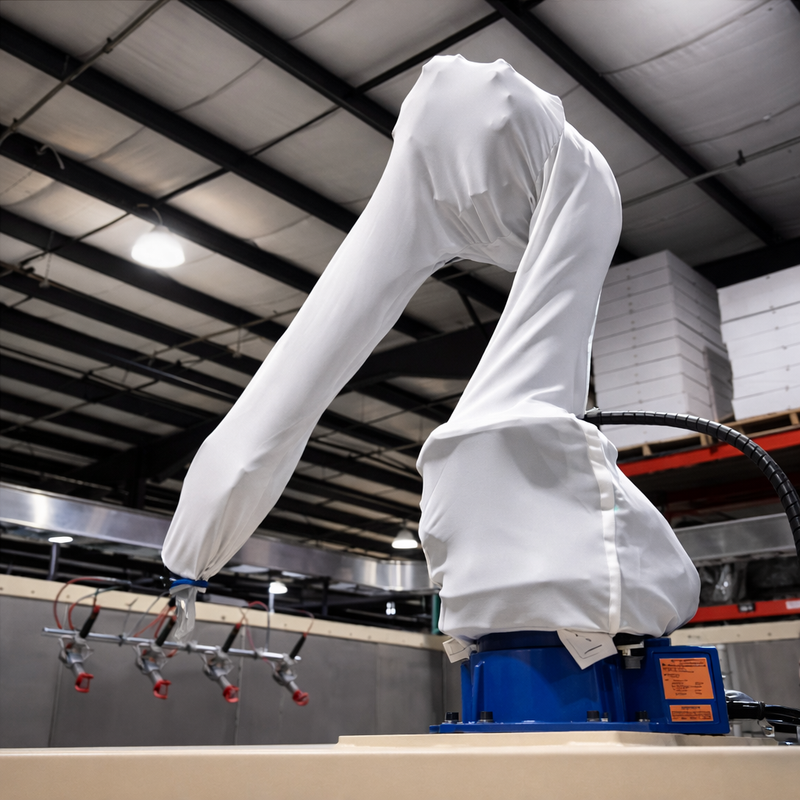
```There is an essential point in predictive maintenance: an algorithm can detect increased vibration, temperature, or electrical failures, but it does not automatically eliminate the physical origin of the problem.
When abrasive particles, dust, oil mist, or other contaminants reach sensitive components, the system records the effects of this exposure.
Monitoring does not replace prevention
If the origin of a failure is environmental, simply increasing monitoring capacity may mean tracking the problem more accurately without necessarily reducing its root cause.
For this reason, engineering, maintenance, and safety teams should evaluate digital data and the physical conditions of the process simultaneously.
A more complete approach includes
- Physical protection compatible with the environment and application.
- Monitoring of variables relevant to each asset.
- Data analysis integrated into maintenance planning.
AI reduces the uncertainty caused by unexpected failures. Proper protection addresses factors that may contribute to those failures. When both strategies are combined, asset management tends to become more consistent.
Technologies that enhance intelligent maintenance
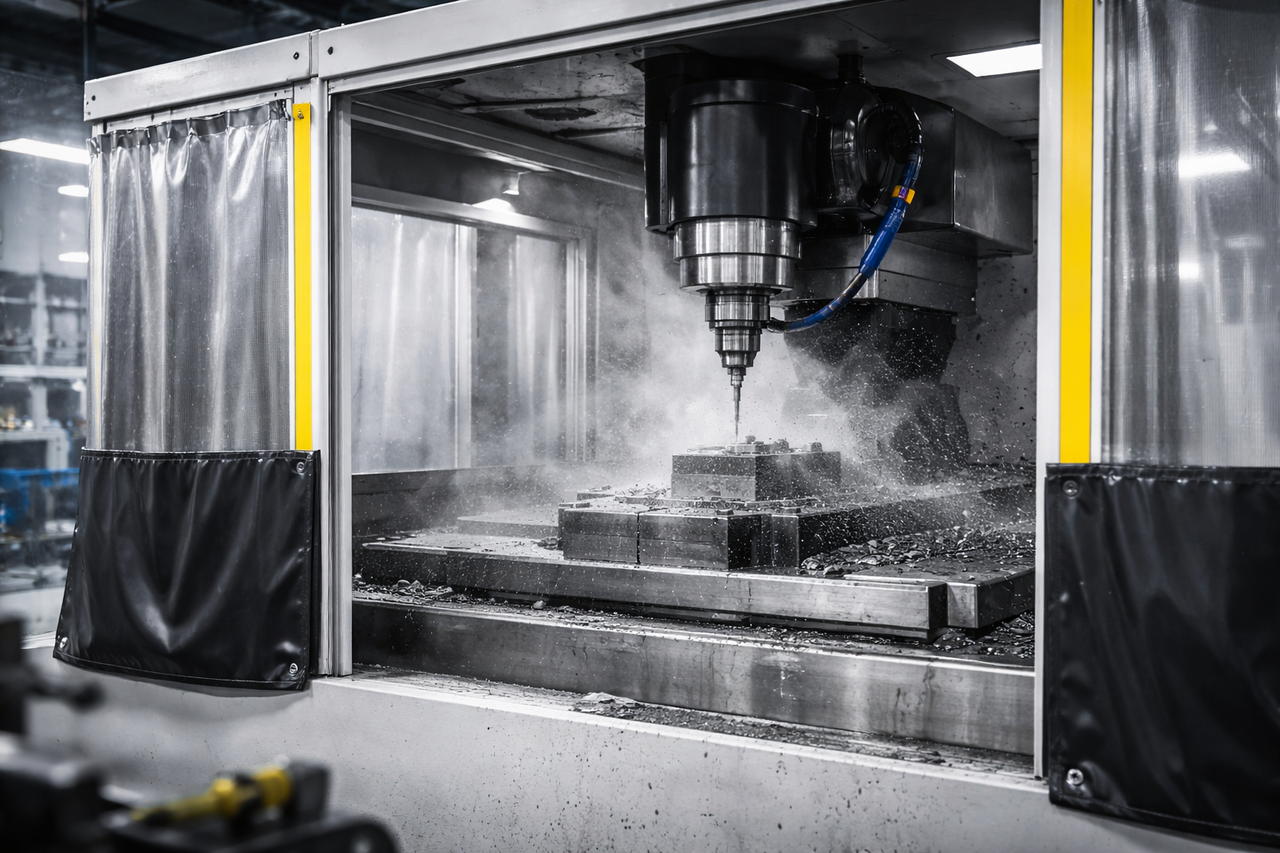
```The evolution of industrial digitalization tends to increase integration between sensors, management systems, and analytical models. More important than adopting isolated technologies is connecting operational information to maintenance and engineering decisions.
IoT and management systems
Connected sensors can feed maintenance platforms, ERP systems, and CMMS solutions, creating more comprehensive histories for each asset.
Industrial dashboards
Remote monitoring makes it easier to visualize trends, alarms, incidents, and performance indicators.
Risk models
Algorithms can help classify assets according to observed behavior and estimated probability of failure.
Digital twins
Digital twins can support simulations and comparisons between expected behavior and actual equipment performance.
Before investing only in predictive software
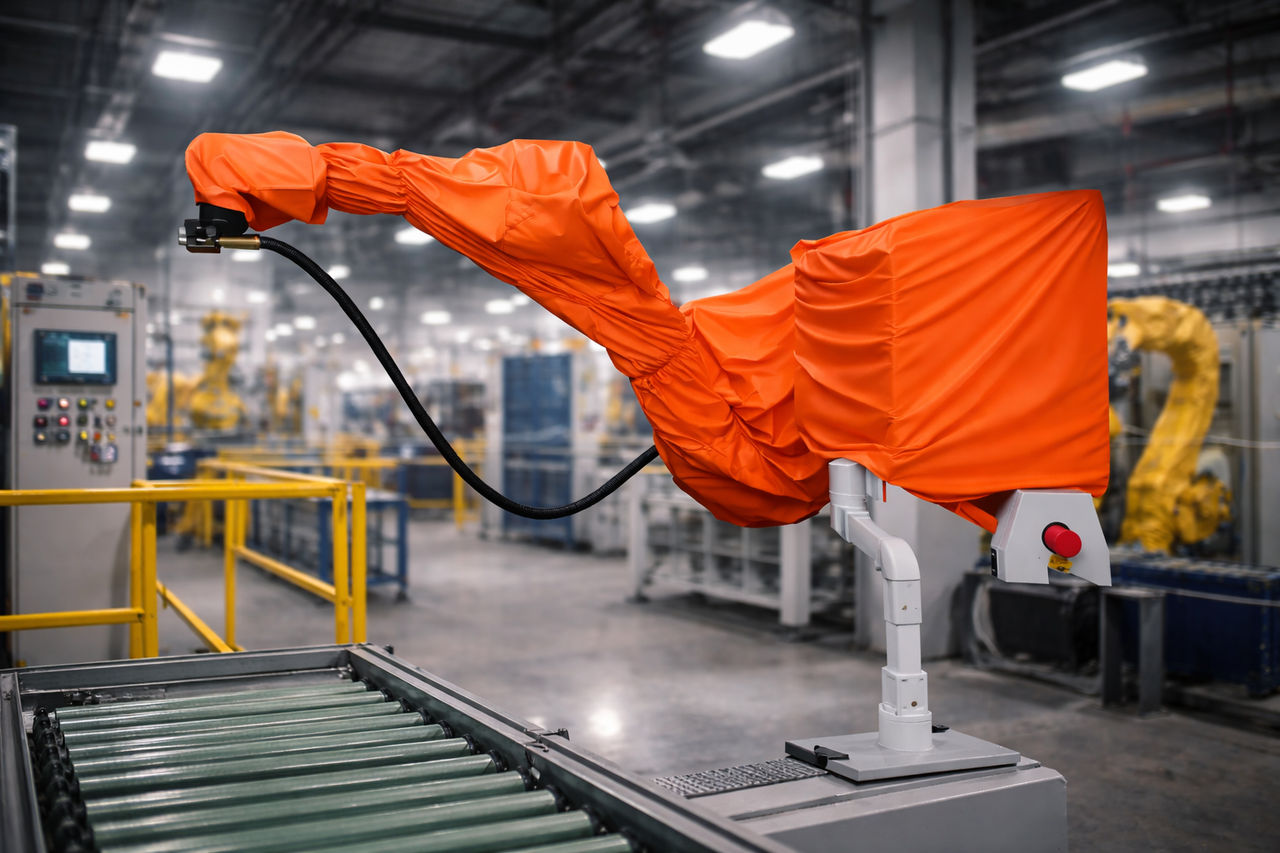
```Before focusing investments exclusively on predictive software, it is worth evaluating what percentage of incidents is related to environmental, operational, or mechanical factors.
This analysis helps differentiate situations in which monitoring should be improved from situations in which the physical cause must be corrected.
When dust, oil, chips, particles, splashes, or other process conditions contribute to recurring failures, protection solutions can complement maintenance digitalization.
The strategic question should not only be “how can we predict the next failure?” but also “what can be done to reduce the source of that failure?” This combination improves the quality of the maintenance plan.
Technology, safety, and risk management
```Maintenance digitalization does not replace the risk management obligations applicable to the workplace. Monitoring resources should be treated as complementary tools to technical assessments, internal procedures, and the prevention measures adopted by the company.
Standards such as NR 01, NR 12, and other requirements applicable to the activity must be evaluated according to the risks, machinery, processes, and specific conditions of each operation. Technology can improve the availability of information, but engineering and safety decisions still require technical analysis.
Integration between technology and prevention
- Identify risks and recurring sources of failure.
- Define appropriate technical measures and procedures.
- Use monitoring data to continuously review decisions.
Critical environments may require specific protection solutions. In these cases, evaluating the application is important for defining materials, dimensions, access points, and construction characteristics compatible with the operation.
Conclusion
```Data-driven industrial maintenance can provide greater predictability, but its best results are achieved when digital diagnostics are combined with process knowledge, technical inspection, and control of the physical conditions that affect equipment.
More mature companies tend to work with three complementary layers: appropriate physical measures, intelligent monitoring, and data-driven decisions. AI helps anticipate the problem; engineering helps interpret its origin and define the appropriate intervention.
For applications in which machines, equipment, or work areas require a specific solution, CIKALA develops protection alternatives and custom-designed projects based on the actual requirements of the industrial environment.
Want to complement your maintenance strategy with physical solutions suited to your industrial environment? Explore the options available from CIKALA or send details about your application for evaluation of a custom project. To speed up the process, have approximate dimensions, company information, and a brief description of your requirements available.
Frequently Asked Questions
```How is Artificial Intelligence used in industrial maintenance?
AI can analyze sensor data, failure histories, and operational variables to identify anomalies, degradation trends, and situations that require technical inspection.
Does predictive maintenance eliminate failures caused by environmental conditions?
No. Monitoring can indicate the effects of contamination, excessive temperature, particles, or other conditions, but the physical cause must be addressed through appropriate engineering and protection measures.
What data can predictive systems analyze?
Common data includes vibration, temperature, electrical current, operating hours, cycles, alarms, intervention history, and failure records.
When should a custom industrial solution be considered?
Specific projects may be appropriate when dimensions, access points, materials, interferences, or process conditions prevent the use of a standardized solution. In these cases, CIKALA can evaluate a custom-designed project.
Location of CIKALA
```View the company's location and plan your contact with the team.
```Discover CIKALA
```Watch the corporate video and learn more about the company's structure and the solutions developed for different industrial applications.
```
