Physical Security in Data Centers: What Cannot Be Overlooked
Physical Security in Data Centers
How to protect equipment and maintain operational continuity in critical environments.
When people talk about Data Centers, many first think about digital security, networks, and data storage. However, physical security is just as critical to prevent failures, preserve assets, and keep operations running without unwanted interruptions.
Servers, racks, storage systems, electrical panels, and communication equipment need to operate in controlled environments. Dust, humidity, excessive heat, uncontrolled access, and technical interventions can compromise performance and increase the risk of downtime.
- Reduced operational risks in critical environments
- Protection against dust, debris, and contaminants
- Greater reliability for IT infrastructure
- Operational continuity during construction, renovations, and maintenance
CIKALA provides solutions for technical and critical environments, helping companies increase the level of protection of their infrastructure with projects tailored to the needs of each operation.
What is physical security in Data Centers?
Physical security in Data Centers brings together measures aimed at protecting equipment, facilities, and operations against factors that could compromise the environment. This includes everything from barriers and access control to particle containment and environmental condition monitoring.
The goal is to reduce vulnerabilities and ensure the infrastructure operates within proper parameters, with more stability, fewer failures, and greater operational predictability.
Main areas of action
- Access control and isolation of technical areas
- Monitoring of temperature, humidity, and particles
- Protection during construction, renovations, and maintenance
In critical environments, physical security is not just a preventive measure: it is a strategic part of operational continuity and preserving technology investments.
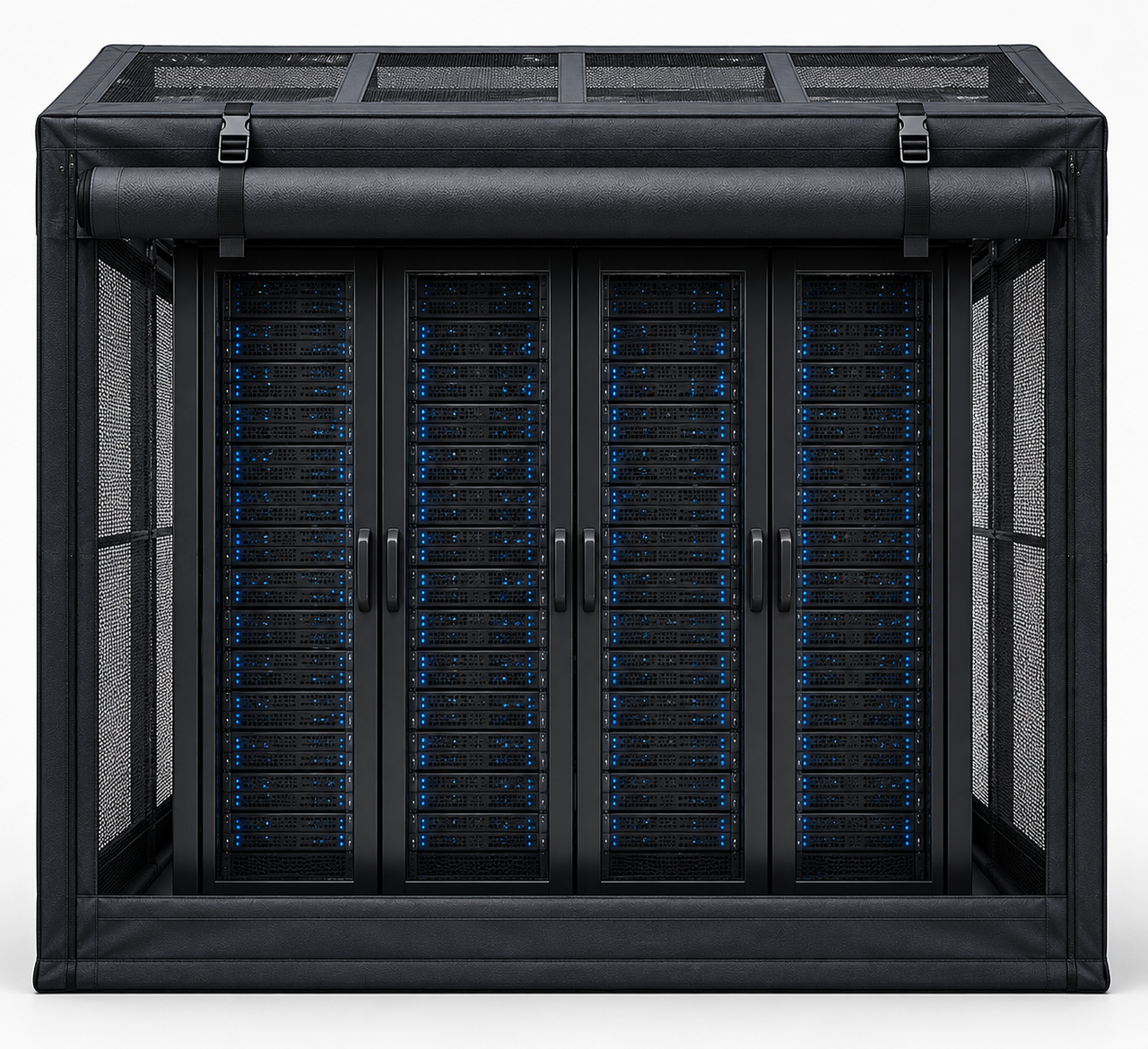
Main physical risks affecting infrastructure
Physical risks in Data Centers often go unnoticed until they cause a real operational impact. Among the most common are airborne dust, humidity, overheating, debris generated by construction work, and inadequate movement of people in sensitive areas.
Dust and contaminants in the environment
Dust can accumulate on boards, connections, and ventilation systems, reducing thermal efficiency and increasing component wear. This type of contamination is especially critical during civil works, installations, and expansions.
Most common consequences
- Ventilation obstruction and increased temperature
- Premature failure of electronic components
- Greater need for corrective maintenance
When the environment does not have proper containment and protection measures, small contaminants can turn into major operational costs.
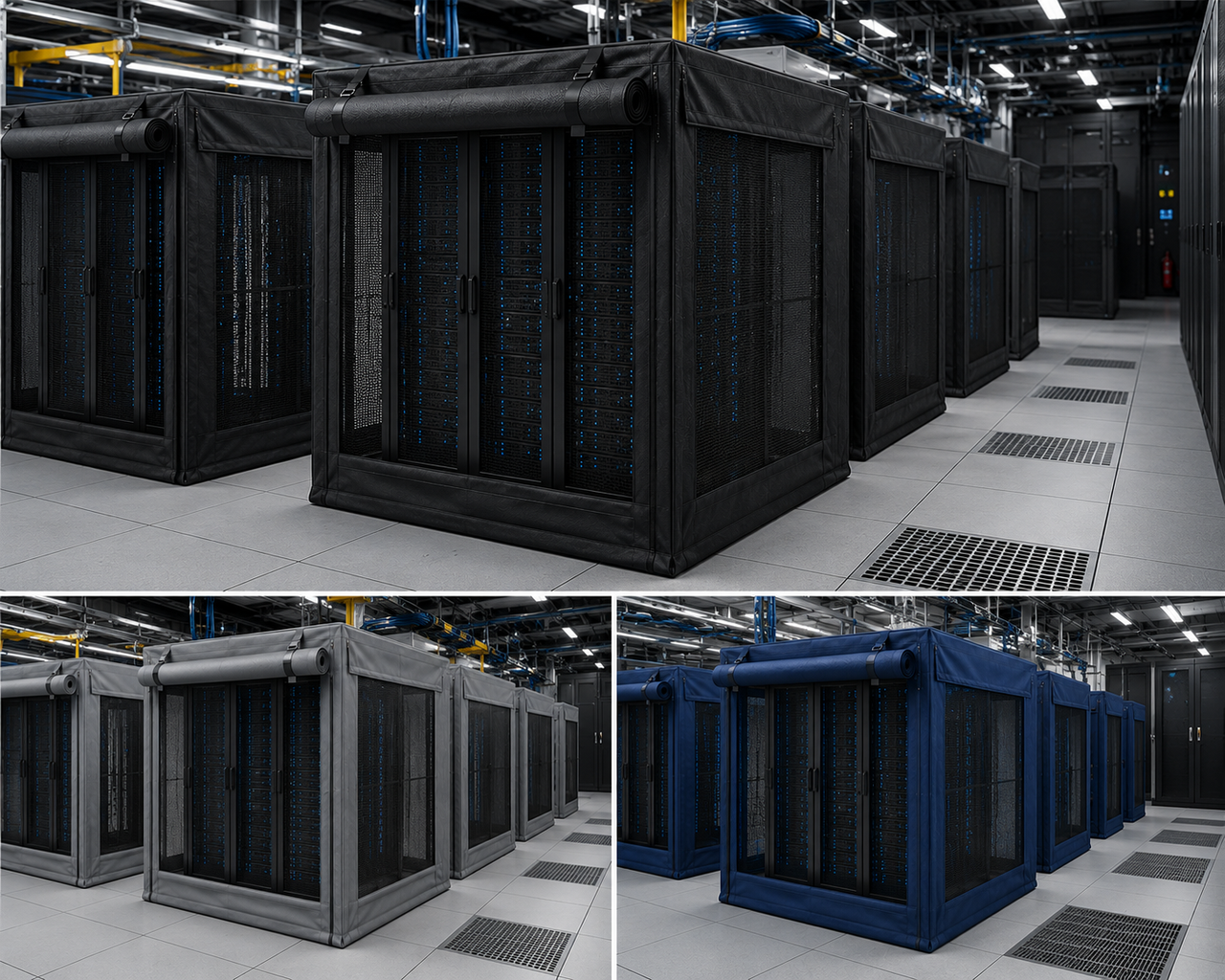
How to protect equipment and ensure operational continuity
To keep a Data Center safe, it is important to combine preventive planning, physical barriers, access organization, and specific solutions for temporary interventions. This applies both to continuous operations and to scenarios involving renovations, maintenance, or facility expansion.
Technical isolation
Helps contain dust, debris, and particles in intervention areas without compromising systems that are already in operation.
Covers and barriers
Strengthen the protection of racks, servers, and exposed equipment during construction or maintenance activities.
Environmental control
Allows temperature, humidity, and air quality to be monitored, reducing the risk of silent failures in the infrastructure.
Custom-designed project
Every critical environment has its own specific requirements. Customized solutions tend to deliver greater efficiency, practicality, and safety.
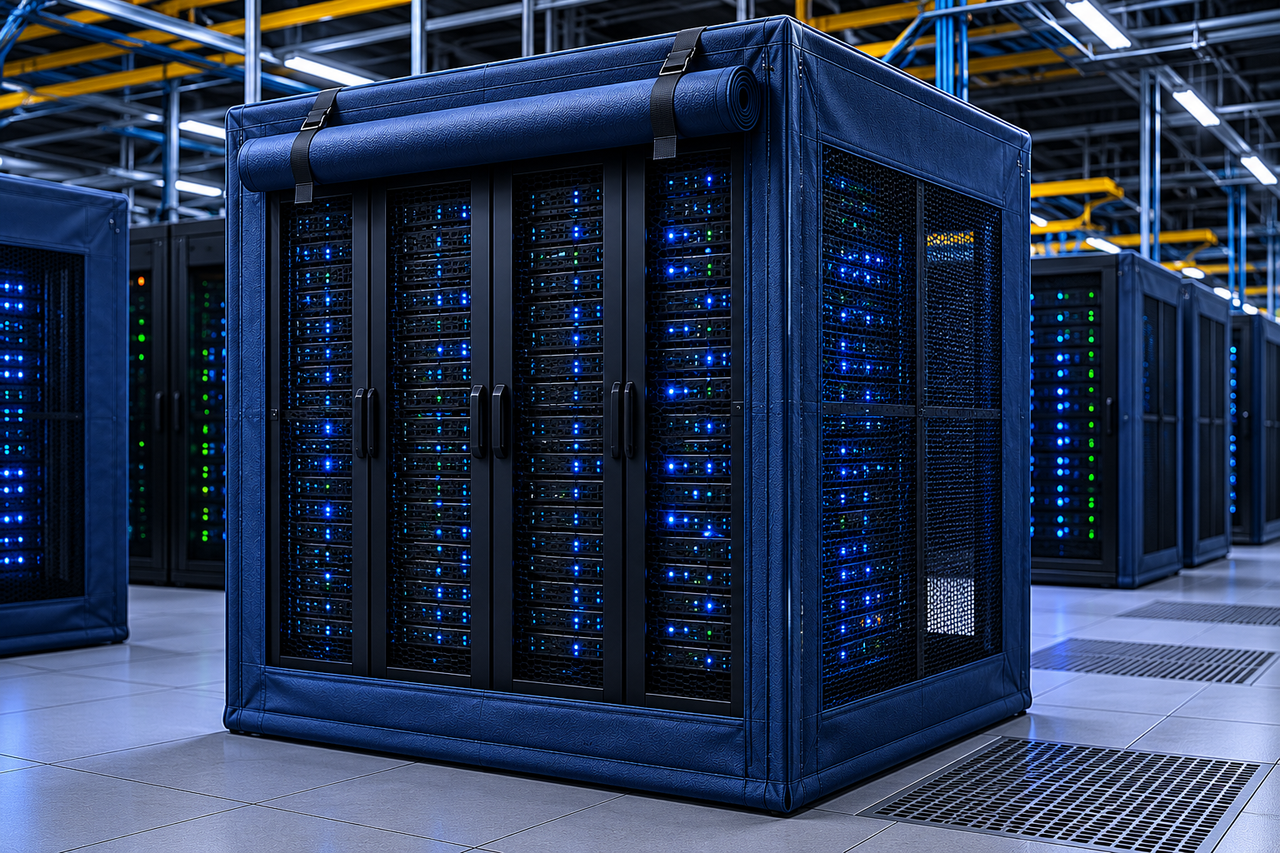
Conclusion
Physical security is one of the pillars of efficient Data Center operation. Controlling risks related to dust, humidity, temperature, access, and technical interventions helps preserve critical equipment and reduce the risk of unavailability.
By investing in prevention, isolation of technical areas, and the right solutions for each scenario, companies gain greater operational reliability, extend the lifespan of their infrastructure, and reduce costs caused by failures and unexpected downtime.
CIKALA develops solutions for isolation, particle containment, and protection of critical environments. For technical applications or specific needs, relying on a custom-designed project can make all the difference in operational performance and safety.
Frequently asked questions
What is physical security in Data Centers?
It is the set of measures that protects equipment, facilities, and operations against risks such as dust, humidity, excessive heat, unauthorized access, and the impact of construction work or maintenance.
Why is dust a problem in IT environments?
Because it can block ventilation, accumulate on electronic components, increase temperature, and reduce equipment lifespan, in addition to raising the risk of failures.
How can servers and racks be protected during construction work?
With containment barriers, protective covers, temporary isolation of technical areas, and access control, reducing exposure to particles and debris.
When is it worth investing in a custom solution?
When the environment has high criticality, a specific layout, continuous operation, or the need for customized protection for sensitive equipment and processes.

