How to Prevent Particle Contamination in Mission-Critical Environments
How to Prevent Particle Contamination in Mission-Critical Environments
Learn how to reduce operational risks with isolation, monitoring, and protection solutions designed for sensitive environments.
Mission-critical environments are designed to operate with maximum reliability and availability. Data centers, server rooms, telecommunications hubs, hospitals, laboratories, and automated industrial facilities rely on sensitive equipment that must run without interruption.
However, one of the most common and often underestimated risks in these settings is particle contamination. Dust, fibers, construction debris, and other contaminants can compromise asset performance, increase maintenance costs, and affect operational continuity.
- Lower risk of failures in sensitive electronic equipment
- Greater thermal efficiency and improved airflow
- Reduced downtime and corrective interventions
- Increased safety for critical operations and technical environments
With isolation, containment, and protection solutions, CIKALA helps companies preserve the integrity of critical areas with projects tailored to the reality of each operation.
What is particle contamination and why is it such a concern?
Particle contamination occurs when microscopic materials present in the air accumulate on technical surfaces, ventilation systems, and electronic components. Even in small amounts, these residues can compromise the performance of high-value equipment.
In mission-critical environments, where constant availability is essential, this type of contamination stops being only a cleaning issue and becomes a significant operational risk.
Main sources of particles in critical areas
- Environmental dust, textile fibers, and particles carried by foot traffic
- Construction debris, renovations, drilling, and building maintenance activities
- Fragments of insulating materials, metallic residue, and equipment movement
Identifying the source of contaminants is the first step toward defining an efficient protection and containment strategy.
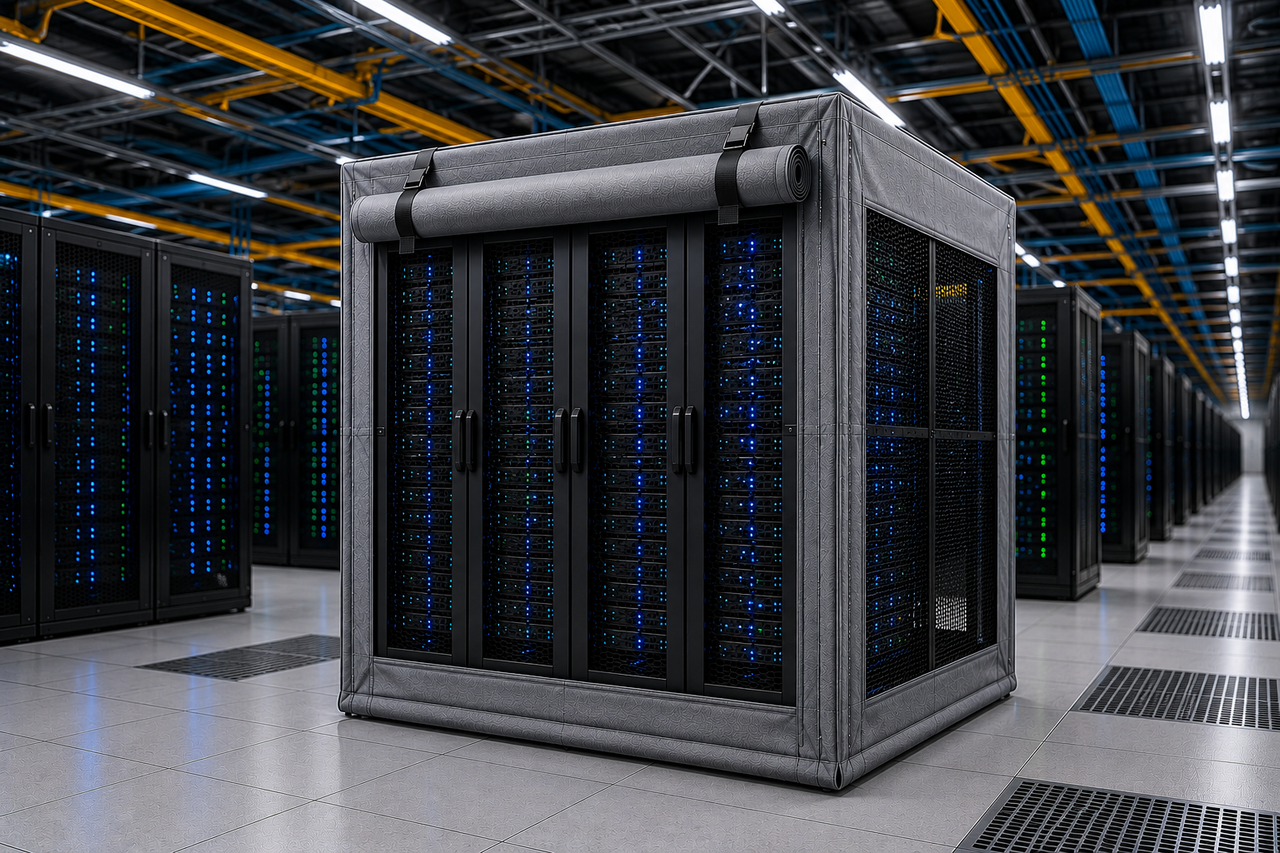
How do particles affect electronic equipment and sensitive systems?
IT equipment and critical infrastructure depend on proper ventilation, thermal stability, and clean components to operate efficiently. When particles accumulate, the chances of clogged filters, reduced airflow, and overheating increase.
Impacts on performance and availability
Over time, the presence of residue on boards, connections, air inlets, and internal surfaces can accelerate component wear and cause intermittent failures or total unavailability.
Most common problems caused by contamination
- Loss of thermal efficiency and higher operating temperatures
- Failures in equipment, connections, and electronic boards
- Shorter asset lifespan and higher maintenance costs
Preventing the entry and spread of particles is more cost-effective and safer than repairing damage after operations have already been compromised.
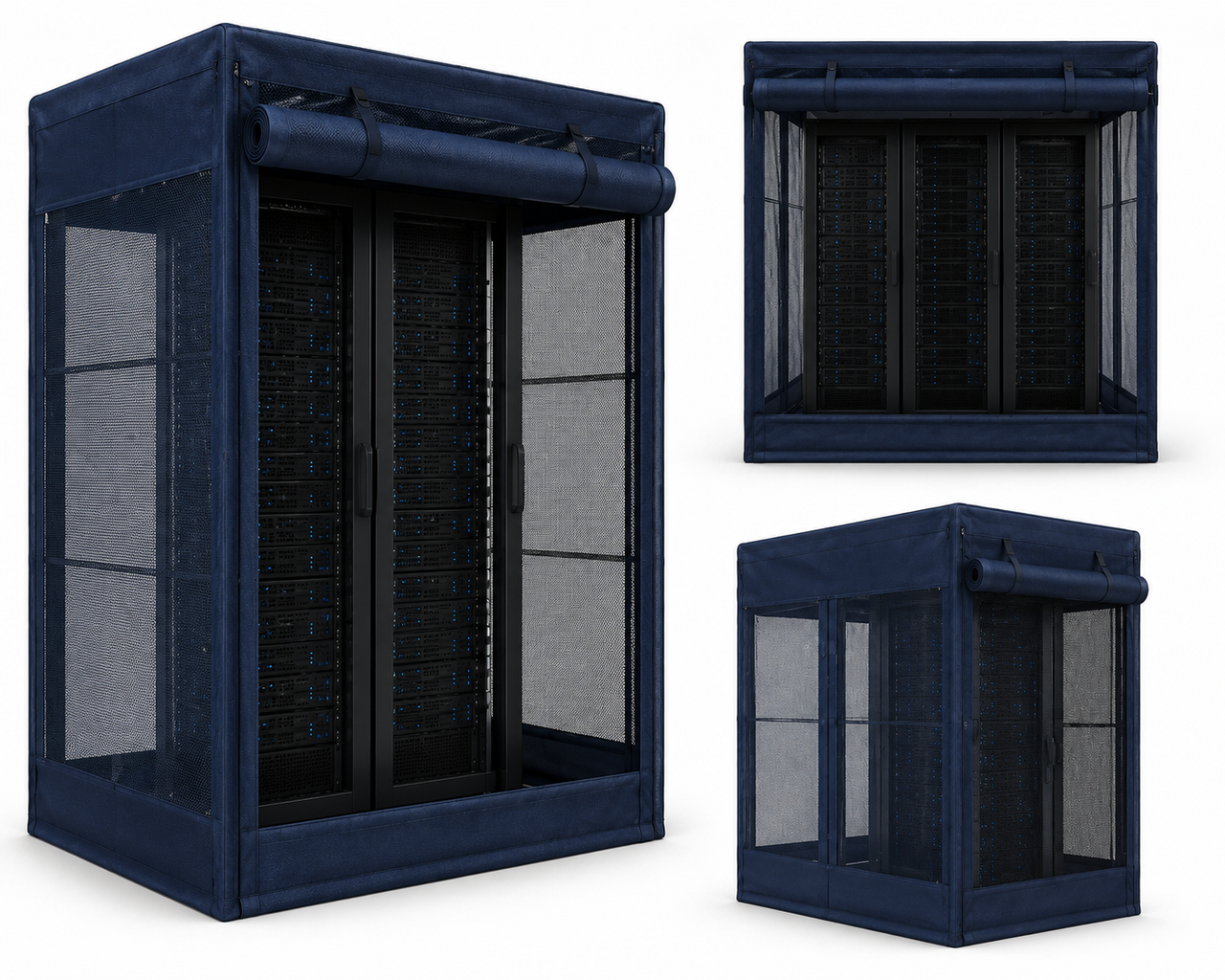
What measures help prevent particle contamination?
An effective strategy combines physical barriers, operational procedures, and environmental monitoring. In critical operations, solutions need to be compatible with the layout, level of criticality, and frequency of technical interventions.
Area isolation
Separating technical zones reduces the spread of residue to operating equipment and helps keep operations safer.
Containment barriers
Curtains, enclosures, and temporary partitions control the spread of dust during construction, renovations, and maintenance.
Protection for equipment
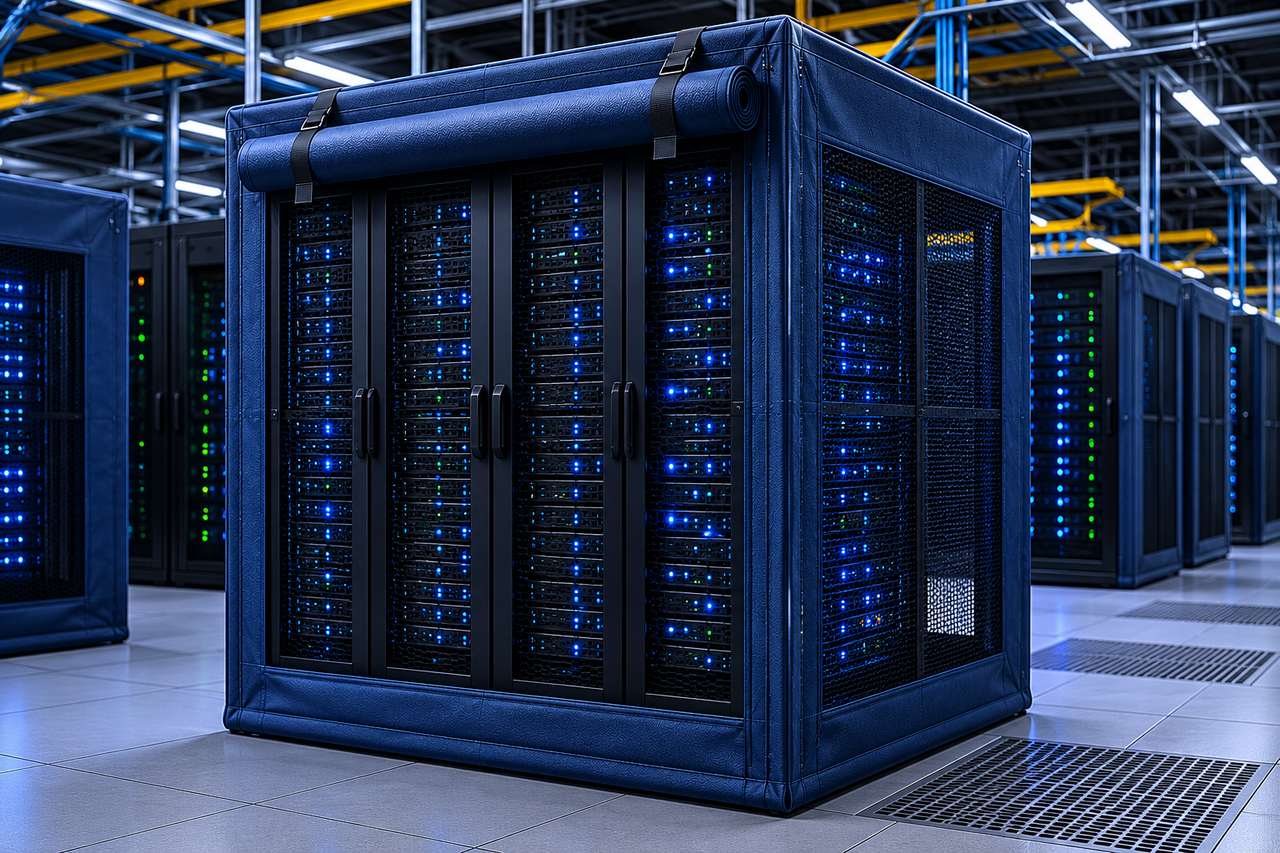
Covers, technical shields, and specific solutions help preserve racks, servers, and sensitive assets against contaminants.
Continuous monitoring
Tracking temperature, humidity, air quality, and particle levels allows preventive action before a failure occurs.
Conclusion
Particle contamination poses a real risk to mission-critical environments. When not controlled, it can compromise equipment, increase operating costs, and reduce the availability of essential systems in companies, hospitals, laboratories, and industrial facilities.
Adopting preventive measures such as technical area isolation, containment barriers, environmental monitoring, and protection solutions is essential to maintain safe and reliable operations.
CIKALA provides solutions for particle containment, technical area isolation, and custom projects, helping companies protect equipment and reduce risks in critical environments.
If your operation needs particle containment, technical isolation, or a custom protection solution, talk to CIKALA to find the ideal option for your environment. For technical, industrial, or tailored applications, our WhatsApp channel is the fastest way to discuss a custom project.
Frequently asked questions
What causes particle contamination in mission-critical environments?
The most common causes include environmental dust, construction debris, building maintenance, foot traffic, and equipment movement in sensitive areas.
Which types of equipment are most affected by particles?
Servers, racks, electronic panels, telecommunications systems, laboratory equipment, and other assets that depend on ventilation and thermal stability are highly sensitive.
How can the risk of contamination be reduced during construction and renovations?
The ideal approach is to use containment barriers, area isolation, access control, and protection solutions to prevent residue from spreading into ongoing operations.
When is it worth investing in a custom solution?
When the environment has high criticality, a specific layout, operational restrictions, or technical adaptation needs, a custom project delivers greater efficiency and safety.

