How to Extend the Lifespan of Servers in Critical Environments
How to extend the lifespan of servers?
```Servers are essential components for the operation of data centers, IT rooms, automated industrial environments, financial institutions, hospitals, and companies that depend on the constant availability of systems and information.
Since they are high-value assets with major operational importance, preserving them should be a priority. Unexpected failures can lead to downtime, productivity loss, and significant maintenance or component replacement costs.
In this context, understanding how to extend the lifespan of servers is essential to ensure greater efficiency, safety, and operational continuity.
What affects server lifespan?
The durability of a server does not depend only on the quality of the equipment. Several environmental and operational factors directly influence its performance over the years.
Main factors include:
- Ambient temperature;
- Ventilation quality;
- Dust accumulation;
- Excess humidity;
- Maintenance frequency;
- Power quality;
- Exposure to contaminants.
When these factors are not properly controlled, component wear tends to happen much faster.
How does dust affect servers?
Dust is one of the main causes of premature degradation in IT environments. When particles accumulate inside equipment, several operational issues may arise.
Ventilation blockage
Servers depend on constant airflow to dissipate heat. Dust buildup reduces this capability.
Overheating
With lower cooling efficiency, internal temperature rises and components operate under greater stress.
Accelerated wear
Fans, heat sinks, and cooling systems may suffer premature wear due to excessive particle accumulation.
Operational failures
Contaminated electronic components become more susceptible to failures and unexpected interruptions.
The importance of environmental control
Maintaining a controlled environment is one of the most efficient ways to extend the lifespan of servers.
Environmental control should include:
- Temperature monitoring;
- Humidity control;
- Proper air filtration;
- Periodic cleaning;
- Control of external contaminants.
These measures help create ideal conditions for infrastructure performance.
How to protect servers during construction and maintenance work?
Internal construction work, renovations, and expansions represent some of the highest-risk moments for IT equipment. During these activities, airborne particles can reach racks and servers that remain in operation.
To minimize risks, it is recommended to adopt:
Isolation of the work area
The use of physical barriers prevents contaminants from spreading into critical areas.
Individual equipment protection
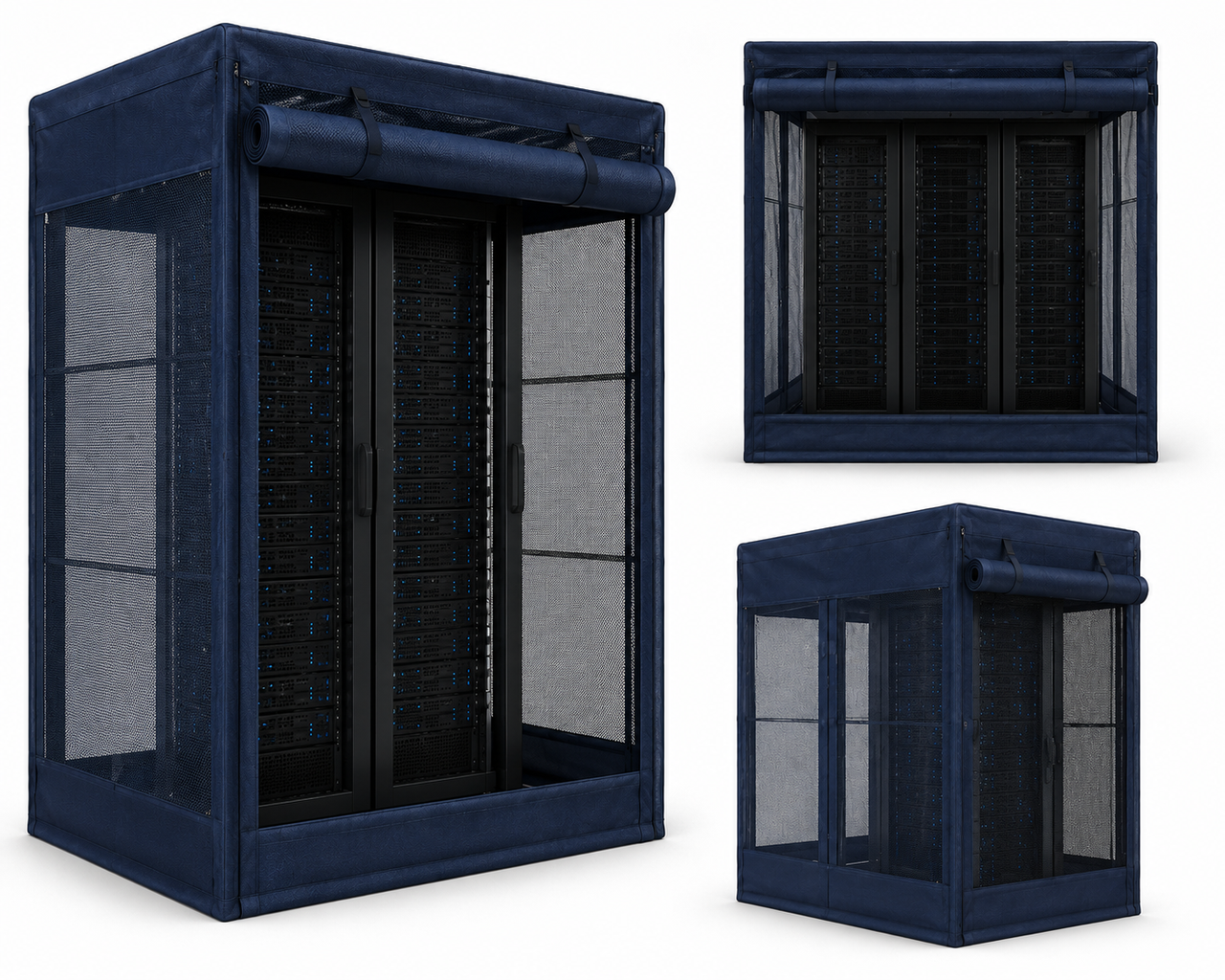
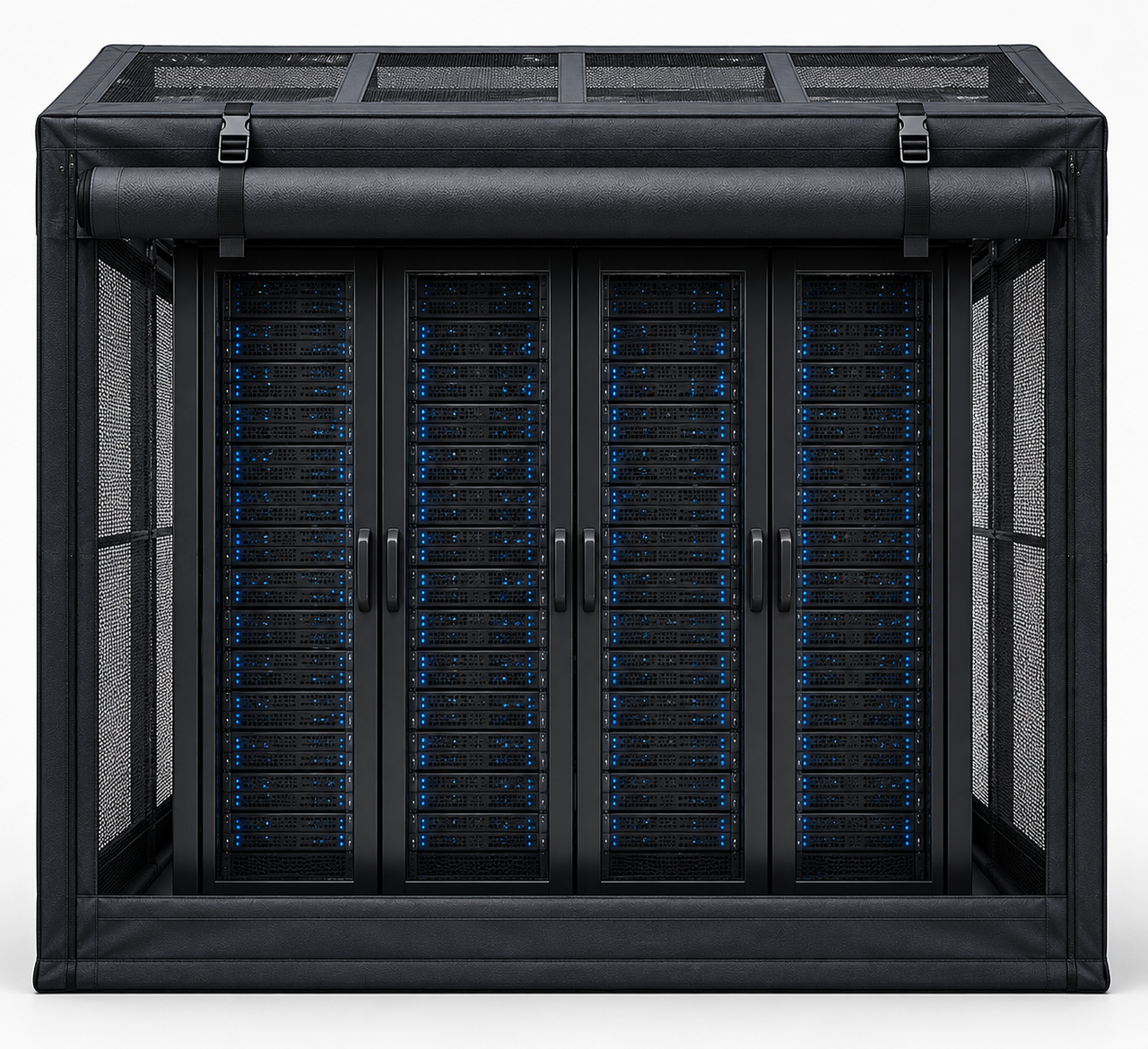
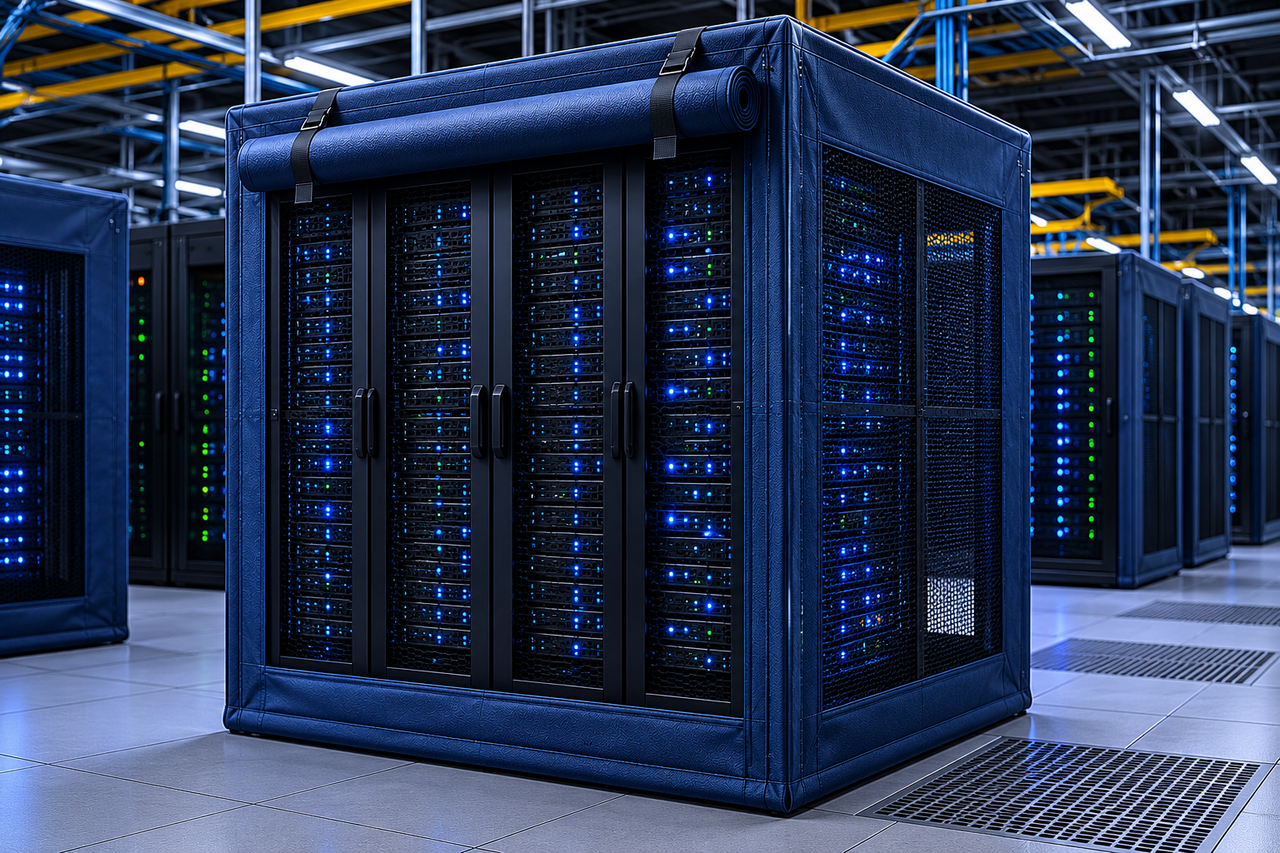
Technical covers and protective enclosures help reduce equipment exposure to dust and debris generated during the work.
Traffic control
Limiting access to technical areas reduces the entry of external contaminants.
The relationship between preventive maintenance and durability
Preventive maintenance is essential to extend the lifespan of servers. By identifying issues before they become critical failures, companies reduce costs and increase infrastructure reliability.
Benefits of preventive maintenance include:
- Lower risk of interruptions;
- Better equipment performance;
- Reduced corrective maintenance costs;
- Greater operational predictability;
- Extended asset lifespan.
How to prevent server overheating?
Ensure proper airflow
Proper rack and aisle organization improves air circulation.
Continuously monitor temperature
Monitoring systems allow teams to quickly identify any changes.
Maintain efficient climate control systems
Cooling equipment should undergo regular inspections to ensure proper performance.
Avoid obstructions
Frequent cleaning reduces particle buildup that can compromise ventilation.
What are the signs of server wear?
Identifying signs of wear early can help prevent more serious problems.
Some indicators include:
- Increase in operating temperature;
- Excessive fan noise;
- Performance drops;
- Unexpected restarts;
- Frequent hardware alerts;
- Growing maintenance needs.
When these signs appear, it is important to carry out a technical assessment to identify the root cause.
Benefits of extending server lifespan
Investing in protection and preventive maintenance generates benefits that go far beyond preserving the equipment itself.
Among them:
- Lower replacement costs;
- Reduced need for repairs;
- Increased system availability;
- Better return on investment;
- Greater operational safety;
- Service continuity.
These gains make infrastructure management more efficient and predictable.
How to choose the right protection solutions?
Choosing the ideal solution depends on the characteristics of the environment and the level of equipment exposure.
It is important to consider:
- Type of server;
- Installation environment;
- Maintenance frequency;
- Existing operational risks;
- Need for temporary or permanent protection.
Solutions developed to measure usually offer greater efficiency and better adaptation to the needs of each operation.
Physical protection for critical environments
Physical protection is an essential tool for preserving servers and IT equipment. Containment barriers, temporary enclosures, technical curtains, and custom-made covers help reduce exposure to contaminants and contribute to keeping infrastructure protected.
This approach is especially important in environments that require high availability and maximum reliability.
Conclusion
Extending the lifespan of servers requires a combination of good practices, preventive maintenance, and proper protection against factors that may compromise equipment performance.
Controlling temperature, reducing dust exposure, and protecting equipment during interventions are fundamental measures to preserve critical assets and ensure operational continuity.
CIKALA develops custom-made solutions for equipment protection, technical area isolation, and particle containment, helping companies protect servers and critical infrastructure with greater efficiency and safety.
Count on CIKALA to protect your critical infrastructure
When the goal is to extend server lifespan, reduce operational risks, and adopt truly effective protection solutions, CIKALA offers alternatives developed for demanding technical environments. For operations with specific requirements, it is worth speaking with the team and requesting a custom project.

