How to Increase MTBF in Continuous Machining Environments
How to Increase MTBF in Continuous Machining Environments
Practical strategies to reduce failures, prevent contamination, and improve the reliability of 24/7 CNC operations.
In continuous machining environments, increasing MTBF means gaining operational predictability, reducing corrective costs, and protecting cell productivity. When the operation runs without interruption, any recurring failure affects deadlines, quality, and equipment availability.
To achieve better results, it is essential to combine maintenance routines, environmental control, and protection solutions suited to the process. In this context, CIKALA provides industrial solutions that help reduce premature wear and exposure to contaminating agents.
- Environmental control to limit chips, mist, and particles
- Preventive protection in critical operation areas
- Monitoring of indicators such as MTBF, MTTR, and annual downtime
- Technical applications focused on durability and production continuity
By integrating physical barriers, suitable components, and custom industrial made-to-measure projects, CIKALA contributes to more stable, safer, and more efficient operations in highly demanding machining environments.
Factors That Most Affect MTBF in Continuous Machining
Mean time between failures is directly influenced by the condition of the environment and the way equipment is preserved throughout the operation. In continuous CNC lines, contamination from mist, chips, splashes, and abrasive particles accelerates wear, affects sensitive components, and increases the occurrence of unplanned downtime.
Another important point is the standardization of inspection routines. Small failures, when ignored, tend to evolve into larger interventions, increasing MTTR and total maintenance cost.
Main Causes of MTBF Reduction
- Constant exposure to process contaminants
- Lack of protection barriers in critical areas
- Reactive maintenance instead of preventive and predictive maintenance
In 24/7 operations, improving MTBF does not depend only on maintenance. The combination of application engineering, physical protection, and operational discipline is decisive for reducing repetitive failures.
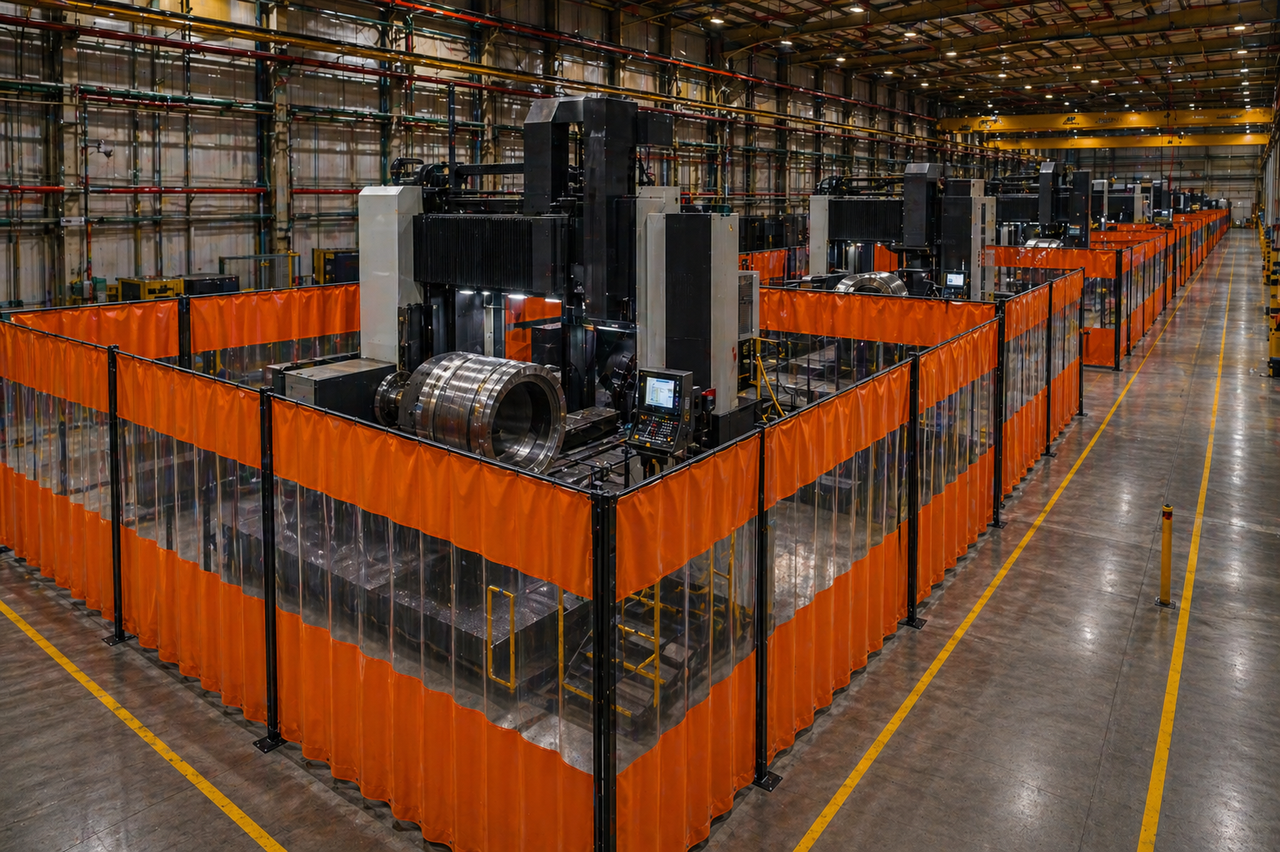
How to Organize a Strategy to Increase MTBF
An efficient strategy begins with mapping the most exposed points of the machine and analyzing recurring failures. From there, it is possible to define containment actions, protection barriers, inspection frequency, and maintenance priorities.
Environmental Control and Component Preservation
Continuous machining environments require solutions that reduce the direct contact of chips, fluids, and particles with sensitive parts. This helps preserve drives, passage areas, sensors, and motion systems, contributing to fewer failures over time.
Best Practices to Break the Process into Action Topics
- Identify the points with the highest incidence of wear and contamination
- Apply protection solutions compatible with the process
- Adopt inspection and maintenance plans based on criticality
When the application requires a specific adaptation, CIKALA can support custom industrial made-to-measure projects to adapt the solution to the space, operating load, and level of equipment exposure.
Estimated Technical Indicators
| Indicator | Without Protection | With Technical Solution from CIKALA |
|---|---|---|
| Unplanned downtime (year) | 5 | 1–2 |
| MTBF (mean time between failures) | 1,500 h | 4,000 h |
| MTTR (mean time to repair) | 2.5 h | 1.0 h |
| Annual corrective maintenance cost | R$ 95,000 | R$ 35,000 |
| Estimated payback | — | 4–7 months |
The information above is for technical and informative purposes and represents typical industrial scenarios. Results vary according to the environment, intensity of use, process criticality, and maintenance routine.
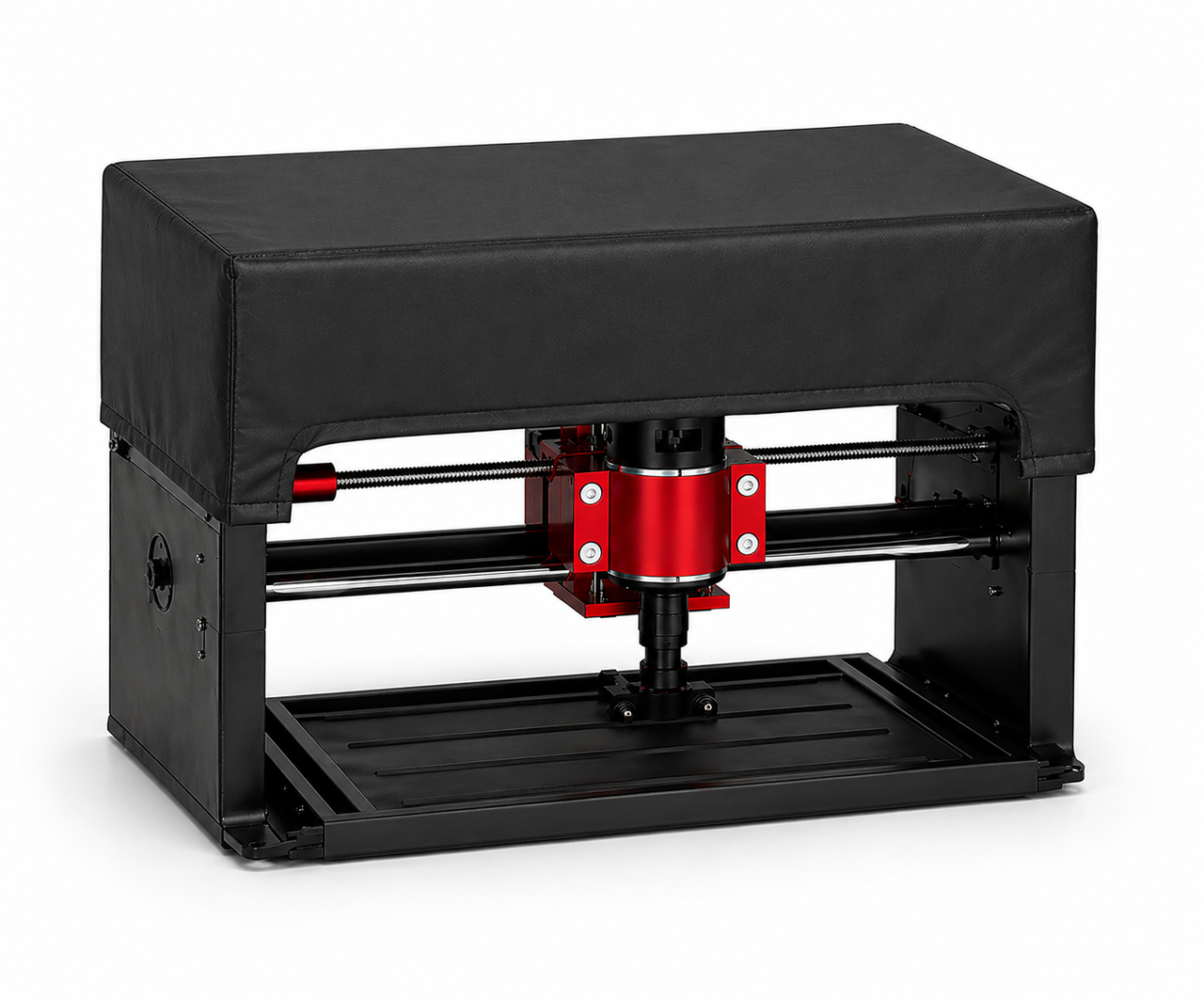
Benefits of a Well-Structured Technical Approach
Breaking the project into topics makes decision-making easier and implementation more objective. With a proper analysis, it becomes simpler to prioritize interventions, justify investment, and track results based on operational indicators.
Less Downtime
Reduced frequency of unexpected failures and greater continuity in the production process.
Longer Service Life
Preservation of components exposed to chips, fluids, and aggressive particles.
Better Cost Control
Lower weight of corrective maintenance and improved budget predictability.
Application-Fit Project
More efficient solutions when specified according to the real process and, when necessary, in a custom made-to-measure format.
Conclusion
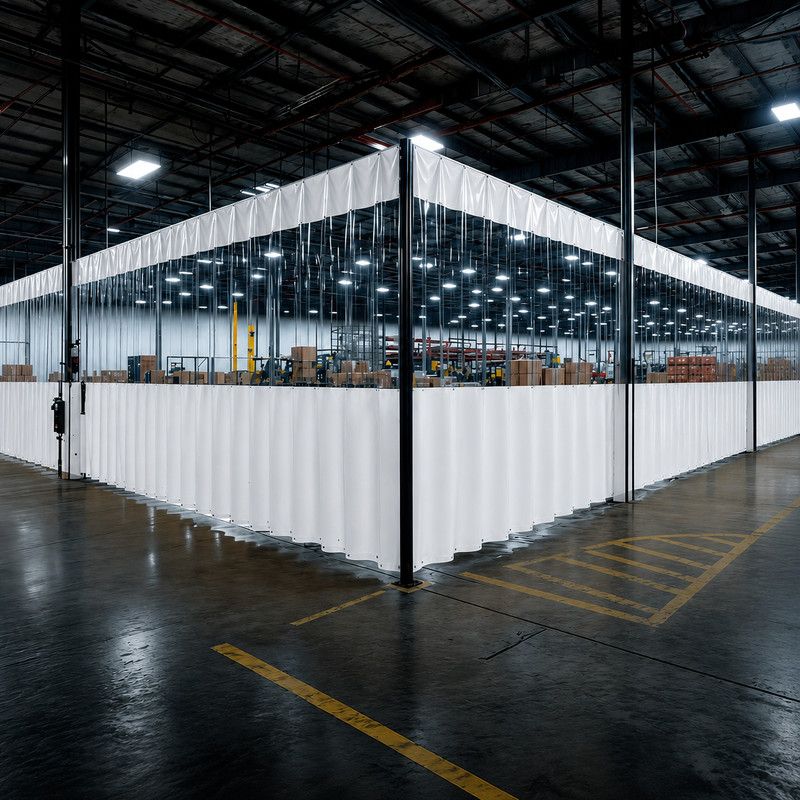
Increasing MTBF in continuous machining environments requires an integrated view of maintenance, environmental control, and protection solutions. The earlier a company addresses contamination and wear points, the greater the likely gain in operational availability.
CIKALA develops technical solutions aligned with the specific needs of each industrial application, working together with the client’s team to reduce failures, improve reliability, and support highly demanding projects.
If your operation needs a specific technical solution, adapted to the environment and focused on continuous performance, CIKALA also supports custom made-to-measure project demands.
To reduce downtime and increase the MTBF of your continuous machining operation, rely on the expertise of CIKALA in industrial solutions and technical applications. Visit the online store or speak with the team to evaluate a custom made-to-measure project for your operation.
Frequently Asked Questions
What is MTBF in continuous machining?
MTBF is the mean time between failures. In continuous machining, this indicator helps measure operation reliability and the average interval during which the system remains running without interruption.
How can you increase the MTBF of CNC machines?
The most common actions include contamination control, the use of protection solutions, frequent inspections, and preventive or predictive maintenance guided by criticality.
When is it worth investing in a custom project?
When the environment has space restrictions, intense exposure to contaminants, or a specific technical requirement, a custom made-to-measure project tends to deliver better fit and performance.
Does CIKALA handle specific industrial applications?
Yes. CIKALA works with industrial solutions and technical support for a wide range of applications, including demands that require personalized analysis and custom made-to-measure development.
Where We Are
Visit CIKALA and learn more about our solutions for industrial environments, special projects, and technical applications.
Corporate Video
See more about CIKALA and how we support industrial projects focused on performance, durability, and the right application.

