Flexible sanitary barriers: cross-contamination control
Flexible sanitary barriers: cross-contamination control in practice
Learn how smart area separation helps reduce risks, improve operational flow, and support compliance in sensitive environments.
Cross-contamination is one of the most costly issues in production environments and sensitive areas. It can lead to rework, material waste, operational losses, and questions during audits.
Flexible sanitary barriers help organize flows, separate sectors, and create physical protection without the need for major structural interventions. This makes the solution practical, quick to install, and easy to adapt to the layout.
- More efficient separation between clean areas and process areas
- Reduced contact between different flows of people, supplies, and equipment
- Better visual and operational control of the environment
- Greater flexibility for layout changes and sector expansion
With industrial and custom solutions, CIKALA serves companies that need to improve area separation, protect processes, and achieve greater efficiency in cross-contamination control.
What flexible sanitary barriers are
Flexible sanitary barriers are partitions made with suitable materials for industrial, commercial, and technical environments, allowing areas to be defined and interference between different processes to be reduced.
In practice, they work as a lightweight and smart containment solution, helping control splashes, particles, circulation, and exposure between sectors, without the rigidity and cost of a permanent structure.
Where this solution is commonly used
- Product handling, packaging, and sorting areas
- Environments that require frequent cleaning and flow organization
- Sectors that need quick, modular, and adjustable separation
When properly specified, flexible barriers contribute to a more controlled operational routine and a structure better prepared for internal quality requirements.
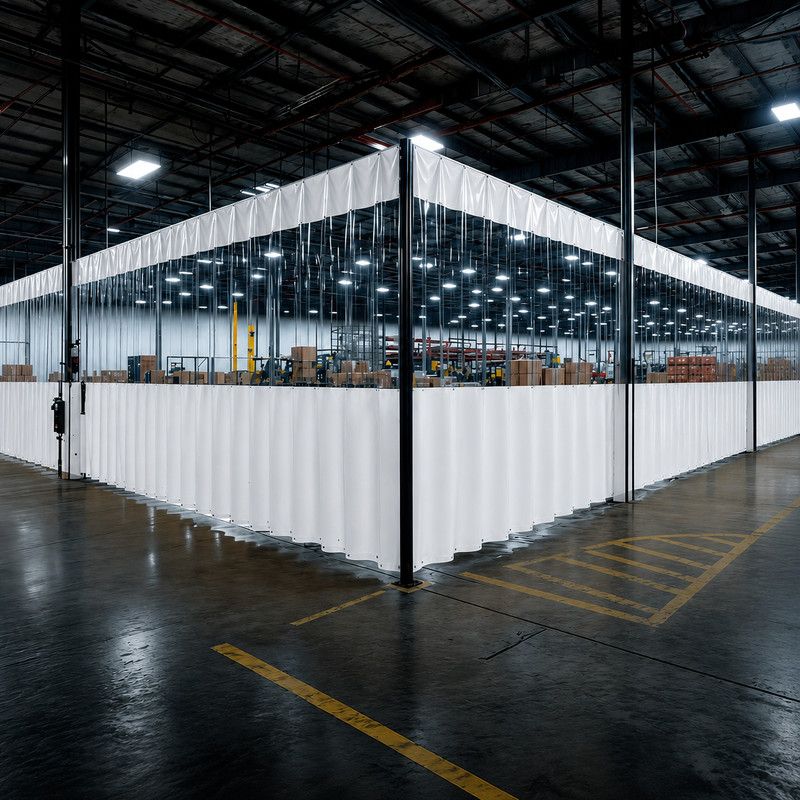
How they help control cross-contamination
Cross-contamination control depends on reducing contact between sources of risk. This involves people, materials, equipment, waste, and even the natural movement within the environment.
Physical separation with operational gains
By creating divisions between areas with different functions, a company can better organize flow, reduce unnecessary exposure, and make the environment more predictable. This separation also supports internal cleaning protocols and good practices.
Main day-to-day benefits
- Reduced interference between different stages of the process
- Improved visual and operational organization of the space
- Greater agility to adapt sectors according to operational needs
Instead of relying only on procedures, the physical barrier strengthens environmental control and helps turn routine operations into a safer and more consistent process.
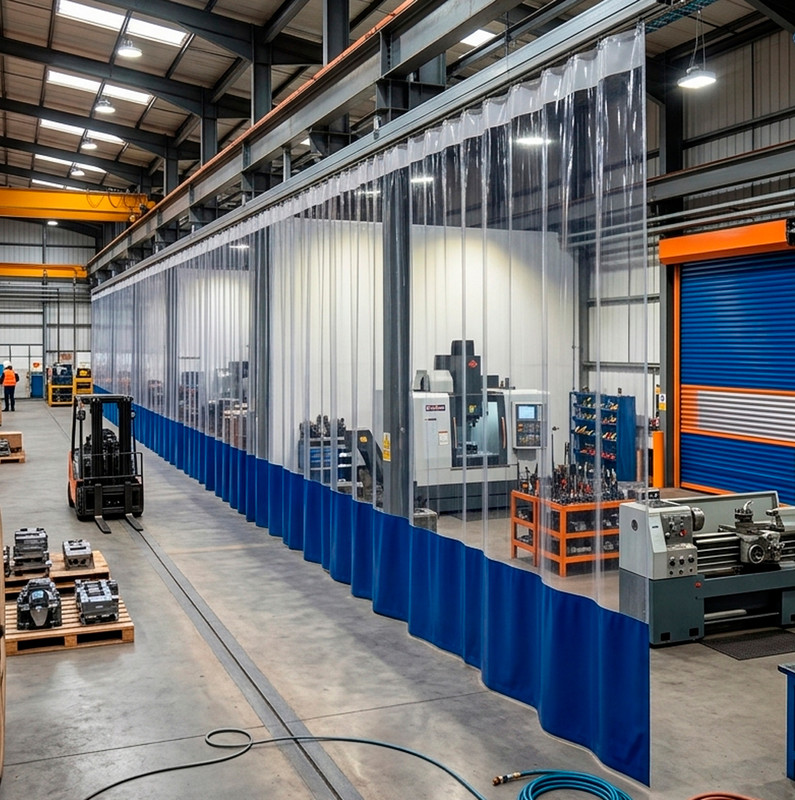
Advantages of choosing a flexible and custom solution
One of the biggest advantages of this type of barrier is its ability to adapt. Every operation has different flows, dimensions, cleaning requirements, and sensitivity levels, so the project needs to match the reality of the site.
Practical installation
It allows area separation to be implemented with less impact on routine operations and without depending on complex civil work.
Layout flexibility
It makes adjustments, expansions, and sector changes easier as operations evolve or new production requirements arise.
Better sanitation
Suitable materials support maintenance, recurring cleaning, and better durability in environments that require sanitary care.
Application-focused design
With the right specification, the solution better meets actual use and delivers greater efficiency in environmental and operational control.
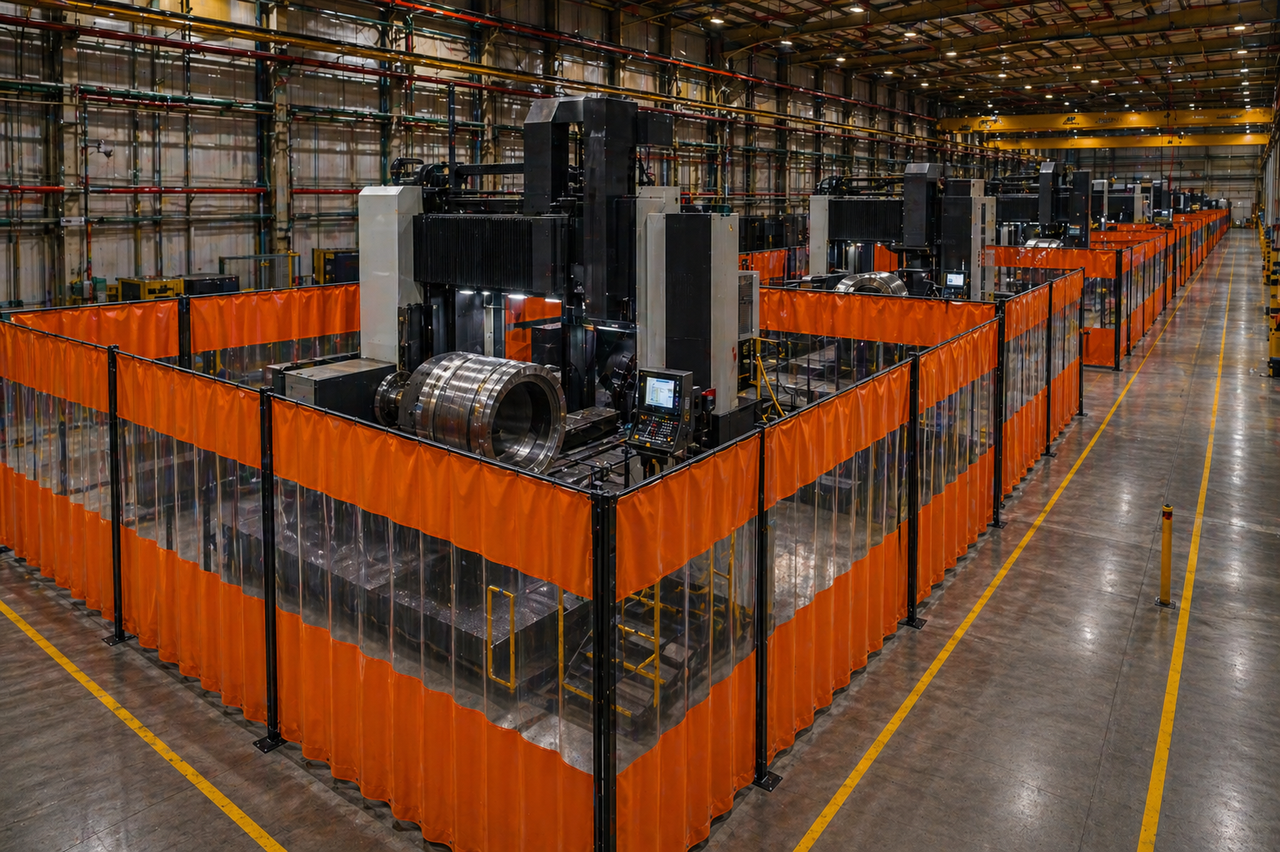
Conclusion
Flexible sanitary barriers are a strategic alternative for companies that need to organize environments, reduce cross-contamination risks, and gain more control over their processes.
In addition to operational benefits, this choice brings more versatility to the layout and can be customized according to the type of activity, level of requirements, and cleaning routine of the site.
If your operation needs a technical, industrial, and environment-specific solution, CIKALA can help with purchase options as well as custom development for specific applications.
To improve area control and choose the most suitable solution for your process, talk to CIKALA. You can visit the online store or request support for a custom project via WhatsApp.
Frequently asked questions
Do flexible sanitary barriers replace fixed walls?
In many cases, they work as a more practical alternative for separating areas, especially when the company needs flexibility and layout adaptability.
Does this solution help control cross-contamination?
Yes. By separating environments and organizing flows, barriers help reduce contact between stages, people, materials, and contamination sources.
Is it possible to create a custom project?
Yes. In technical or industrial applications, the ideal approach is to assess the environment to define the most suitable dimensions, materials, and format for the operation.
Which sectors commonly use this type of barrier?
It can be used in industries, production areas, handling, packaging, logistics, and environments that require better separation and operational control.

