Clear tarp vs translucent tarp: differences
Clear tarp vs translucent tarp: differences
When choosing a tarp for covers, enclosures, or protection, a common question comes up: clear tarp or translucent tarp?
Although they look similar, these two materials have different technical characteristics, which directly impact comfort, aesthetics, privacy, and overall performance in each application.
Understanding these differences is essential to make the right choice, avoid rework, and ensure the best cost-benefit for your project.
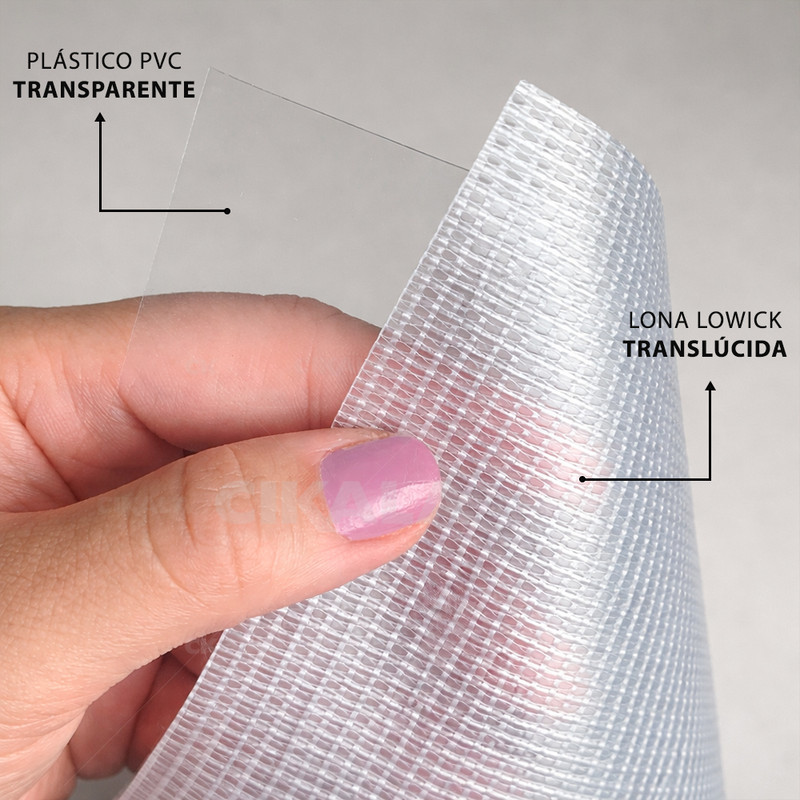
🔍 What is a clear tarp?
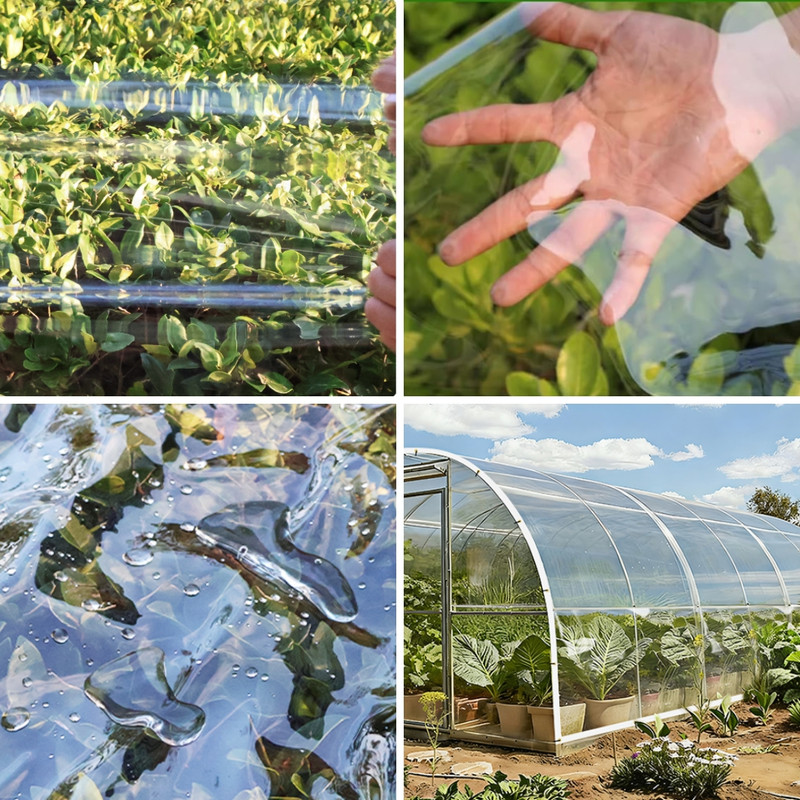
The clear tarp is made from high-clarity clear PVC (PVC crystal), allowing sharp visibility of what’s behind the material. Its main advantage is providing protection without blocking visibility—almost like a “flexible glass”.
Main technical features of clear tarps
- High transparency (glass-like visual effect)
- Excellent mechanical strength
- Protection against wind, rain, and dust
- Easy to clean
- Good flexibility for rolling or folding
Most common applications for clear tarps
- Industrial and commercial curtains
- Outdoor area enclosures
- Protection for machines and equipment
- Awnings and covers with full visibility
This type of tarp is ideal when visual monitoring, showcasing the environment, or direct lighting are priorities.
🌫️ What is a translucent tarp?
The translucent tarp lets natural light pass through, but without allowing clear visibility through the material. Instead, it diffuses the light, creating a more comfortable and visually balanced environment.
Main technical features of translucent tarps
- Even light diffusion
- Reduced glare
- Better visual comfort
- Good weather resistance
- Softer, more discreet finish
Most common applications for translucent tarps
- Covers for warehouses and industrial areas
- Pergolas and gourmet outdoor areas
- Greenhouses
- Spaces that need natural light with privacy
This option is recommended when your goal is natural light without direct exposure.

⚖️ Clear tarp vs translucent tarp: what’s the difference?
Choosing between these two materials depends directly on your intended use. Here’s a practical comparison:
| Feature | Clear tarp | Translucent tarp |
|---|---|---|
| Visibility | Full | Partial / diffused |
| Light transmission | High | High (diffused) |
| Privacy | Low | Medium / high |
| Visual comfort | Medium | High |
| Aesthetics | Technical | Softer |
🎯 Which one should you choose for your project?
The best option depends on the result you want in your space:
- Choose a clear tarp if:
- You need full visibility
- The area requires constant monitoring
- A technical look is a plus
- Choose a translucent tarp if:
- Your priority is visual comfort
- You want natural light without exposure
- Privacy and a softer aesthetic matter
Evaluating the right tarp type helps avoid common issues like excess heat, visual discomfort, or lack of privacy.
❌ Common mistakes when choosing a tarp
- Choosing only by appearance
- Not considering thermal and visual comfort
- Ignoring the installation environment
- Not evaluating the real purpose of use
Each project requires a specific technical assessment.
🏁 Conclusion
Even though they look alike, clear tarps and translucent tarps serve very different purposes. While clear tarps prioritize full visibility, translucent tarps provide visual comfort and privacy without giving up natural light.
Here at CIKALA, we work with high-quality PVC tarps designed for technical, industrial, and residential applications—ensuring durability, safety, and excellent finishing.
👉 Choosing the right tarp is an investment in performance, aesthetics, and the lifespan of your project.
🚀 Find the ideal tarp for your project
Whether for technical, industrial, residential, or event applications, choosing the right tarp makes all the difference in performance, durability, and final finish.
👉 Explore our options of translucent tarps and clear PVC crystal, developed to high quality standards for a wide range of uses.
Do you need a custom-made solution with specific dimensions, thickness, or finishing?
💬 Talk directly with our specialists and receive personalized technical guidance.

