Cover Tarps: How to Choose the Best Protection Against Heavy Rain and Intense Sun
During seasons marked by heavy rainfall and prolonged periods of strong sunlight, it’s natural to worry about protecting outdoor areas. Backyards, garages, patios, outdoor kitchens, pools, and leisure spaces are constantly exposed to the elements, which can cause anything from minor annoyances—like wet furniture and excessive heat—to structural damage and financial loss.
In this context, cover tarps have become a practical, affordable, and highly efficient solution. Far from being a makeshift fix, they offer versatility, quick installation, and excellent value for anyone who wants to protect outdoor spaces without permanent construction.
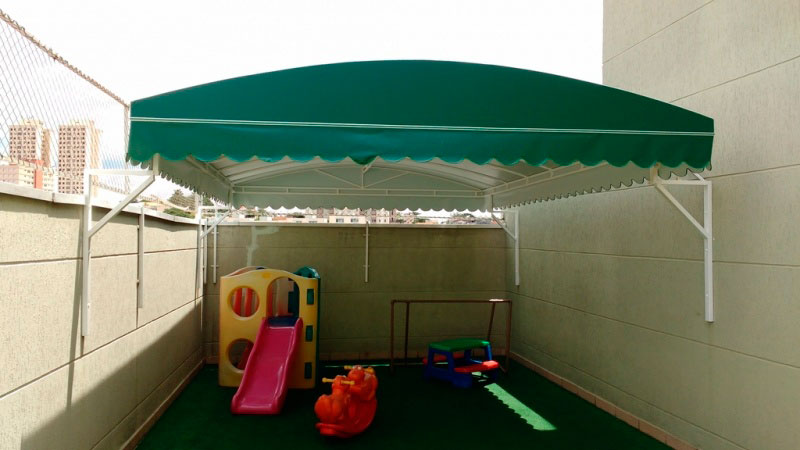
🧠 Why use cover tarps?
Tarps work as a physical barrier, blocking rainwater and reducing direct sunlight. When selected correctly, they help preserve surfaces, extend the life of outdoor furniture and equipment, and make the space more comfortable day to day.
- Effective protection against heavy rain, helping prevent flooding, leaks, and moisture damage;
- Reduced sun exposure, contributing to cooler spaces and protecting furniture from drying and fading;
- Versatile use for homes, businesses, rural areas, events, and construction sites;
- Easy installation, cleaning, and storage, especially with lightweight, foldable models.
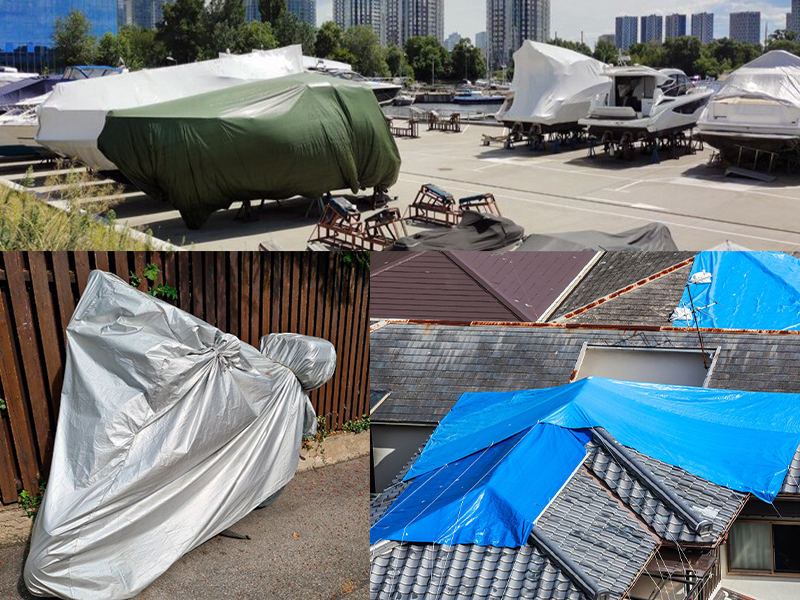
🧰 Key factors to choose the ideal tarp
Even when they look similar, tarps can have important technical differences. Understanding these details is essential to ensure truly effective protection against heavy rain and intense sun.
1) Tarp material
The material directly impacts strength, durability, and waterproofing. The most common are:
- PVC tarp (vinyl) : extremely durable, 100% waterproof, and ideal for areas continuously exposed to sun and rain. Recommended for long-term and more permanent use.
- Polyethylene tarp (PE) : lightweight, flexible, and excellent value. Works very well for temporary coverage or everyday general applications.
- Treated polyester: when combined with waterproofing and UV protection, it offers good mechanical strength and dimensional stability.
2) UV treatment and waterproofing
For regions with unstable weather, these two factors are essential. They determine whether the tarp will withstand constant sun and storms without losing performance.
- UV protection: helps reduce sun damage and lowers heat in the covered area.
- Full waterproofing: keeps water from passing through the material, helping the area stay dry even during heavy storms.
3) Correct size and fit
Before purchasing, measure the area carefully. A tarp that’s too small leaves gaps exposed; a tarp that’s too large is harder to tension and can trap water.
- Allow enough margin for fastening (rope/grommets), but avoid excess slack;
- Create a slope for water runoff (especially in heavy rain);
- Plan anchor points before installation.
4) Grommets and fastening system
Reinforced metal grommets are a key advantage. They make installation easier with ropes, hooks, or steel cables and help keep the tarp properly tensioned, even in wind and heavy rain.
☔ Common uses for cover tarps
The greatest advantage of tarps is how easily they adapt to different scenarios. The most common uses include:
- Covering backyards, patios, outdoor kitchens, and garages;
- Protecting outdoor furniture, appliances, and equipment;
- Covering pools to reduce debris and extra rainwater;
- Outdoor events such as fairs, parties, and exhibitions;
- Construction and renovation, protecting materials and structures.
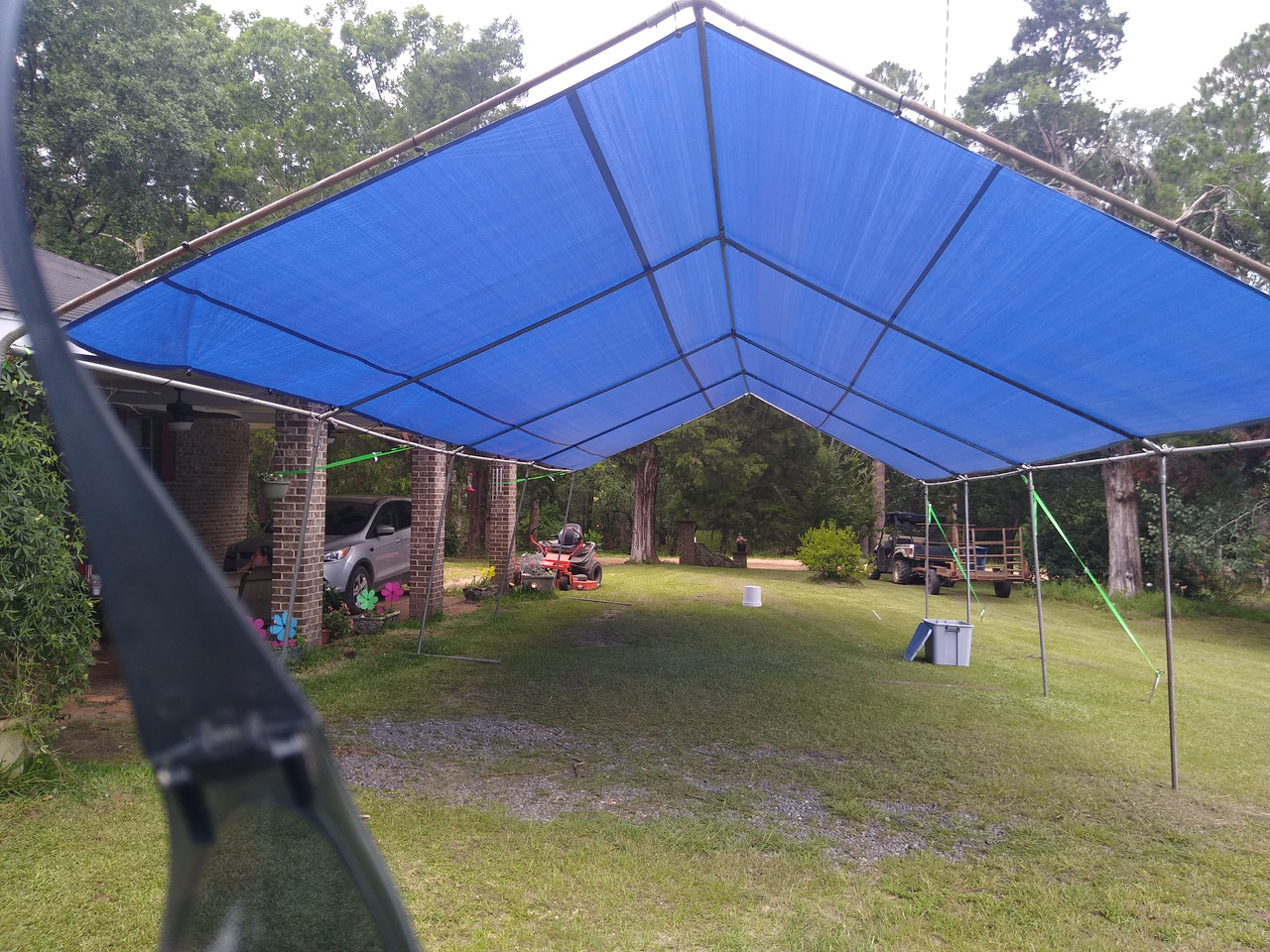
For a practical everyday option, check the polyethylene tarp. For more demanding, continuous use, see the PVC tarp.
Choose my tarp now
❌ Frequently asked questions about cover tarps
Are tarps only for rain?
No. In addition to rain protection, UV-resistant models help reduce heat and the impact of sun exposure, making the covered area more comfortable.
Is every tarp waterproof?
No. That’s why it’s essential to check the material and technical specifications before buying.
Can a tarp be used permanently?
Yes—provided it’s made for continuous outdoor use, such as treated PVC tarp, and installed with strong anchor points and proper tension.
✅ Conclusion
Choosing the right cover tarp means evaluating your use case, local weather, and material quality. When you pick correctly, a tarp delivers strong protection against heavy rain and intense sun, extends the life of outdoor spaces, and improves comfort day to day.
For practical, versatile coverage, explore our polyethylene tarps. If you need more robustness for continuous use, check out our PVC tarps.
Choose the ideal model and protect your outdoor area with much more peace of mind.
Frequently Asked Questions (FAQ)
What’s the best tarp for heavy rain?
For heavy rain, prioritize full waterproofing and strong mechanical resistance, plus a sloped installation for runoff. For demanding, continuous use, a treated PVC tarp is often a robust choice.
Does a tarp for sun need UV protection?
Yes. UV protection reduces wear, helps lower heat, and improves durability in areas with many hours of direct sunlight.
Which tarp is best for everyday use and value?
For daily use and versatile applications, a polyethylene tarp is lightweight, easy to handle, and often offers excellent value—especially for temporary coverage.
How can I prevent water from pooling on the tarp?
Create a slope, keep the tarp properly tensioned, and distribute fastening points. Reinforced grommets and solid anchoring help prevent “sagging” areas where water collects.
🎬 CIKALA Institutional Video
📍 Visit CIKALA’s Physical Store
If you prefer in-person service, visit CIKALA in São Paulo and see cover options, fastening accessories, and solutions up close.


